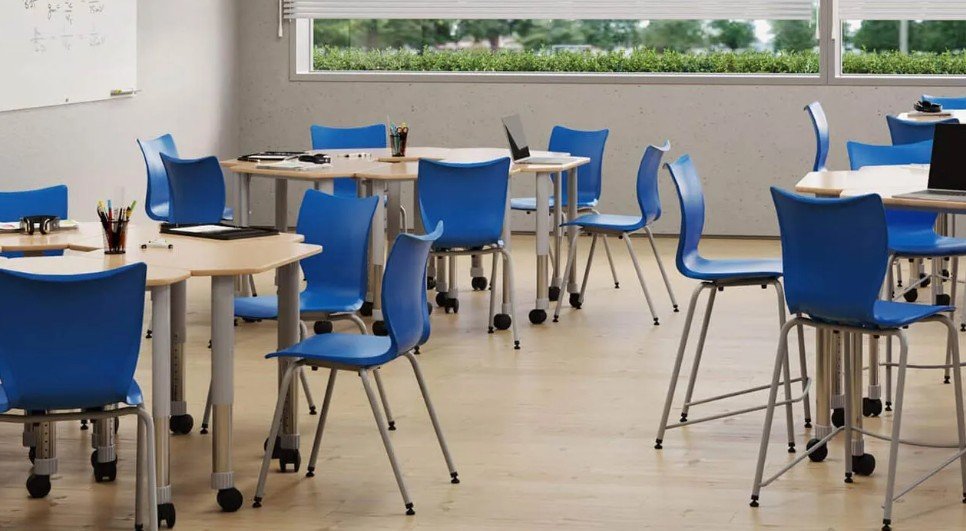
Selecting the right classroom desks is a bigger decision than it might seem at first. You want something that works for the age group, fits the room well, and holds up over time. And when you are buying a lot of them, getting that balance of cost and durability really matters. A helpful early step is comparing student desk styles so key differences are clear before requesting quotes. It is also worth thinking about accessibility and how your teaching style might change down the road. If you want desks built specifically for schools, Worthington Direct tends to offer way more relevant options than a general office furniture catalog would.
Fit, Size, And Ergonomics For Students
Desks should fit the kids using them so they can sit comfortably and actually focus on their work. Things like seat height, desk depth, and legroom make a bigger difference than most people realize. If your classrooms serve different age groups, having a mix of sizes is really helpful. You also want enough surface space for a device and a notebook without everything feeling cramped. A desk that feels cramped encourages slouching and constant repositioning. Before buying, test a sample desk with real student tasks such as writing, reading, and device use.
Classroom Layout And Teaching Style Flexibility
Most classrooms switch between whole-group lessons, small-group work, and independent time throughout the day. The shape and size of your desks directly affect how quickly you can make those transitions. Individual desks are great for rearranging on the fly, while shared tables make collaboration easier but offer less personal space. Also, think about whether teachers can move around freely and whether students can see the board from every seat. Movement matters for safety drills and for supporting students who need more space to transition. You want a setup that feels spacious but still keeps everything students need close at hand.
Storage, Organization, And Daily Routines
Desks with built-in storage, like book boxes or shelves, help keep things tidy and make switching between activities a lot smoother. At the same time, extra storage can become a catch all that hides trash and slows cleaning. It is worth considering where students will keep their books, folders, and devices throughout the day. Sometimes shared bins work better than built-in storage, depending on how your classroom runs. Cable management becomes important when laptops or tablets are used regularly, even if charging happens elsewhere. It also helps to think about everyday routines like handing in work and passing out materials. A good storage setup keeps the floor clear and, honestly, makes the whole classroom run more smoothly.
Materials, Durability, And Maintenance Planning
Good desks need to withstand daily scratches, spills, and being pushed around on the floor. Laminate tops can be easy to clean, while solid plastic surfaces may resist stains but can show wear differently over time. Metal frames should feel rigid at the joints, since wobble tends to increase as hardware loosens. It is also smart to think about how easy it is to get replacement parts and make quick repairs. If your rooms double as event spaces, you want desks that stack or nest safely and with minimal effort. A desk that lasts for years will almost always save you money in the long run, even if it costs more upfront.
Safety, Accessibility, And Compliance Considerations
Look for desks with rounded edges and feet that stay steady even when kids lean or shift around. Make sure there is enough knee clearance and turning space so every student can sit comfortably, regardless of their needs. A good layout should naturally include everyone without needing separate special arrangements. Think about how backpacks and mobility devices fit into the flow of the room, too. Smaller rooms may also have fire code rules about how closely desks can be arranged, so it is worth checking early. Planning all of this from the start saves you from costly, stressful last-minute changes.
When choosing classroom desks, it really comes down to what works best for your students and your space. Start with how well the desk fits the kids using it and whether it gives you flexibility in how you arrange the room. Make sure the materials are solid enough to stay clean, stable, and easy to fix over the years. Safety and accessibility are not extras you add later; they are things you plan for from the beginning. When you match your desk choices to how your classrooms actually run, everything just works better. A little extra thought during the selection process goes a long way toward getting more value out of your budget.