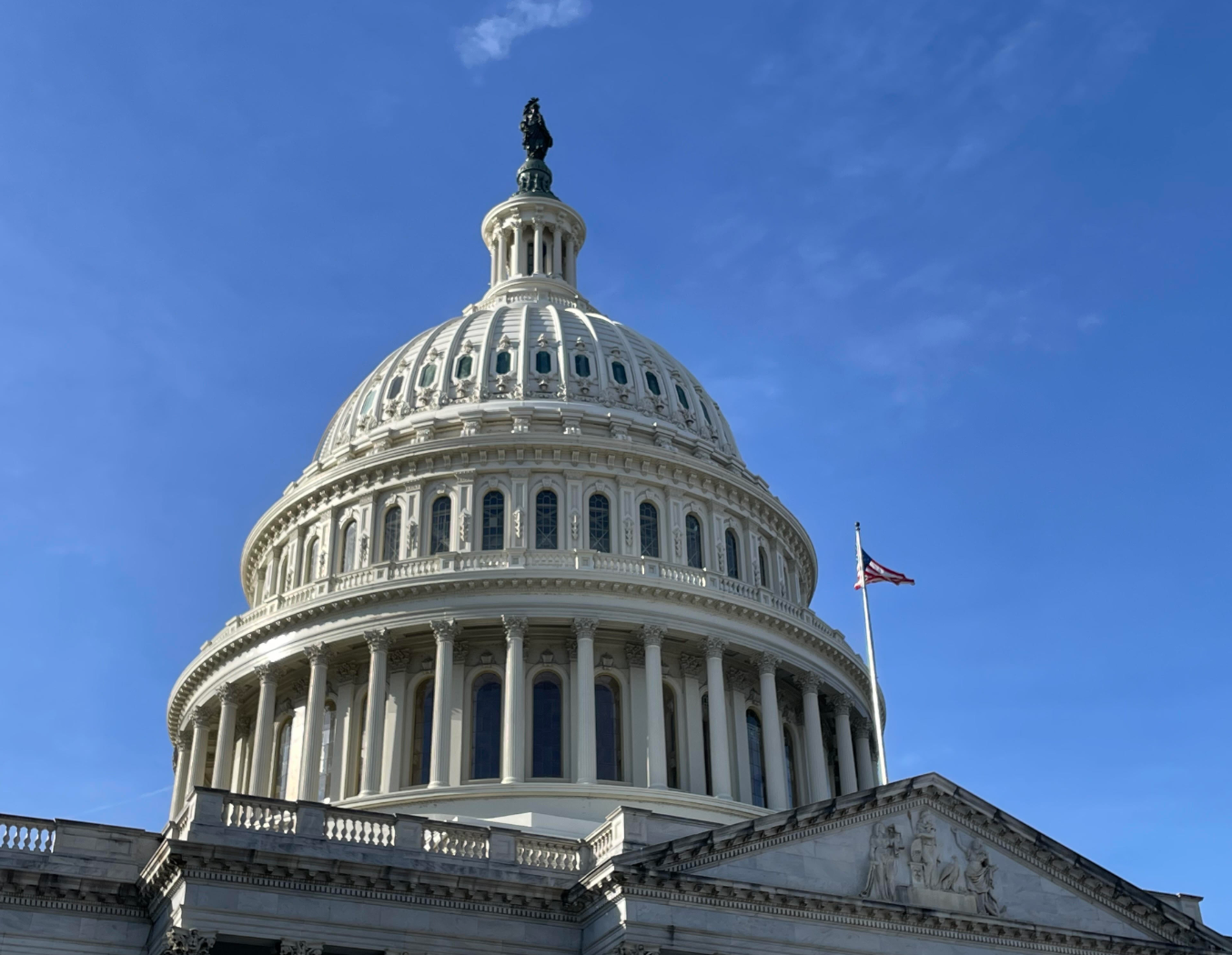
In a move that highlights the deepening dysfunction in the nation’s capital, the U.S. Senate is prepared to work through the weekend of March 21–22.
The rare Saturday and Sunday sessions come as the federal government enters the sixth week of a partial shutdown that has paralyzed the Department of Homeland Security (DHS) and left lawmakers deadlocked over immigration policy.
A Shutdown Without an Exit Ramp
The current standoff, which began on February 14, has now become the second-longest government shutdown in U.S. history. The primary sticking point remains the SAVE America Act, a contentious piece of legislation tied to DHS funding.
While the House has insisted on strict enforcement measures, Senate leadership has struggled to find a bipartisan path forward. A failed cloture vote earlier this week on a consolidated appropriations bill served as the catalyst for the weekend session, as Majority Leadership signaled that “the time for recess has passed” until a deal is struck.
The Weekend Agenda
The Senate floor is expected to be a hive of activity over the next 48 hours:
- Saturday, March 21: The chamber is scheduled to deliberate and vote on a critical amendment to the SAVE America Act. Observers believe this vote will serve as a “litmus test” for whether a broader funding compromise is possible.
- Sunday, March 22: The focus shifts to personnel. A procedural vote is slated for the nomination of Sen. Markwayne Mullin (R-OK), a Cherokee citizen, to lead the DHS. The vacancy at the head of the department has become an increasingly urgent issue as the funding lapse affects border operations and national security staffing.
Recess on the Brink
The stakes for this weekend extend beyond individual votes. A two-week legislative recess was originally scheduled to begin Monday; however, leadership has warned that if a breakthrough on DHS funding is not achieved by Sunday night, the break will be canceled entirely.
For many staffers and essential DHS employees working without pay, the weekend session offers a glimmer of hope for a resolution. For the American public, it is a stark reminder of a divided Congress grappling with one of the most significant fiscal and policy crises in recent years.
Related