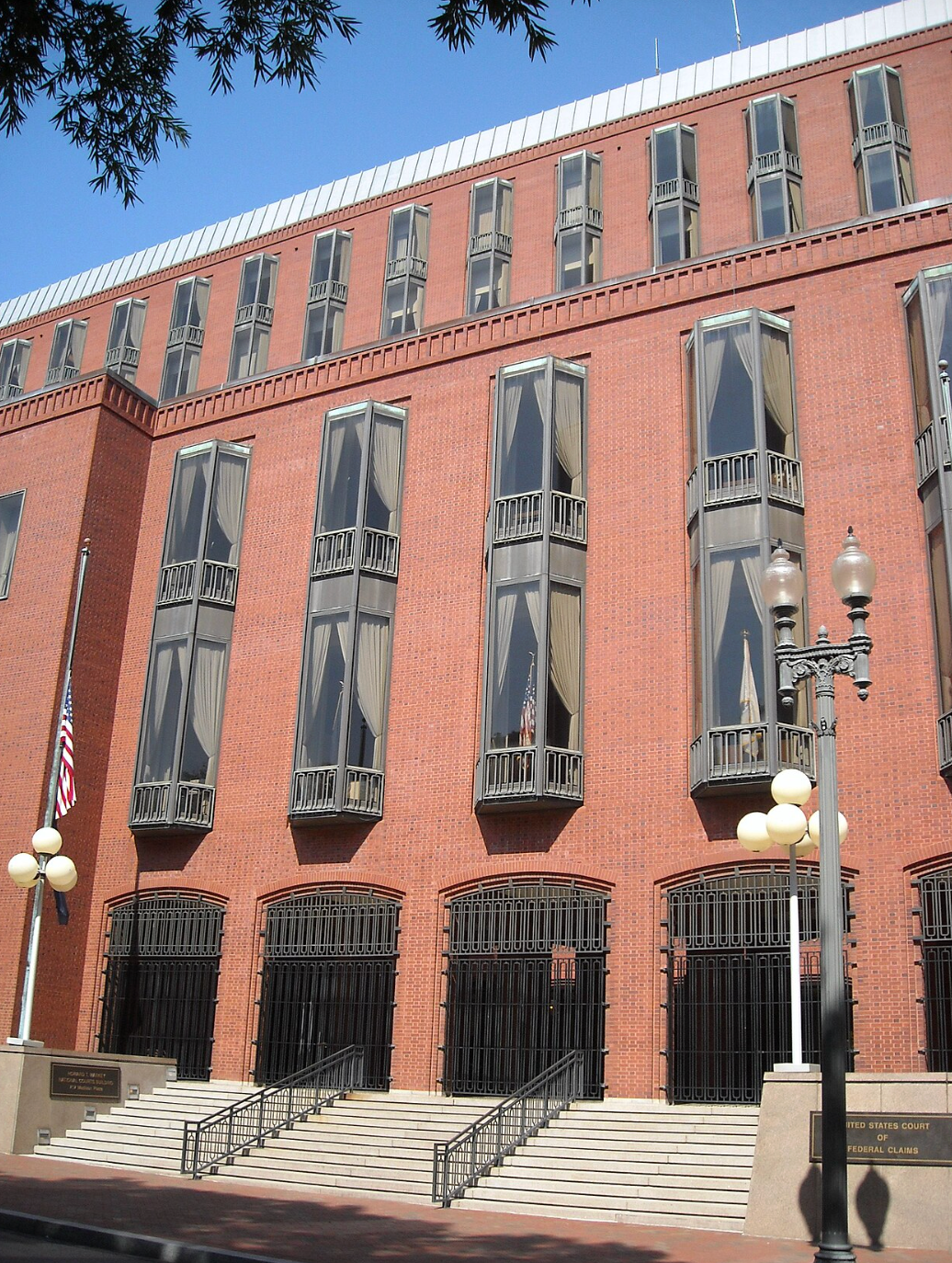
A new federal class action lawsuit filed in the United States Court of Federal Claims alleges that more than 10,000 Native American landowners in Oklahoma were denied oil and gas income or interest payments due to failures by the federal government to uphold its trust responsibilities.
Filed by mctlaw, the lawsuit claims the United States breached its duty to protect restricted-fee landowners from the Choctaw Nation, Chickasaw Nation, Muscogee (Creek) Nation, Seminole Nation, and Cherokee Nation—collectively known as the Five Tribes.
The claims center on land allotments governed by the Stigler Act, which regulates restricted-fee Indian lands in Oklahoma.
According to the complaint in Tyson v. United States, more than 3,000 allotment owners—referred to as “non-leasing owners”—allegedly received no compensation from oil and gas production on their land. The lawsuit argues that many of these individuals were never offered leases or were excluded from the process entirely, while energy companies extracted resources without providing payment.
“We’ve seen oil and gas companies take what’s ours while the government stands by and does nothing,” said Stephen Hampton, an enrolled member of the Choctaw Nation.
The lawsuit also alleges systemic issues affecting more than 7,000 additional Native landowners who do receive payments. Unlike other Native mineral owners, the filing claims these individuals lack access to a federal recordkeeping system to track payments and do not benefit from mandatory deposit systems that generate interest on revenues. As a result, plaintiffs argue they have limited ability to verify whether they are being properly compensated or to hold companies accountable for discrepancies.
“For years, my family has fought the federal government over the mismanagement of our ancestral land allotments,” Hampton said. “We’ve seen oil and gas companies take what’s ours while the government stands by and does nothing. This isn’t just a Choctaw story. Whether you are Cherokee, Chickasaw, Muscogee (Creek), or Seminole, if your family holds restricted land or mineral rights in Oklahoma, you may have been cheated by the same broken system under the Stigler Act.”
Attorneys representing the plaintiffs say the case seeks accountability for decades of alleged mismanagement.
“The federal government cannot use the Stigler Act as an excuse for decades of mismanagement against the Five Tribes,” said Jeffrey Nelson, manager of the firm’s Indian Law Group. “This case is about holding the government accountable and making sure more than 10,000 tribal landowners in eastern Oklahoma receive the protections and payments they are owed under federal law.”
The lawsuit underscores longstanding concerns about federal oversight of Native land and mineral rights, raising broader questions about accountability, transparency, and the federal government’s trust obligations to tribal citizens.