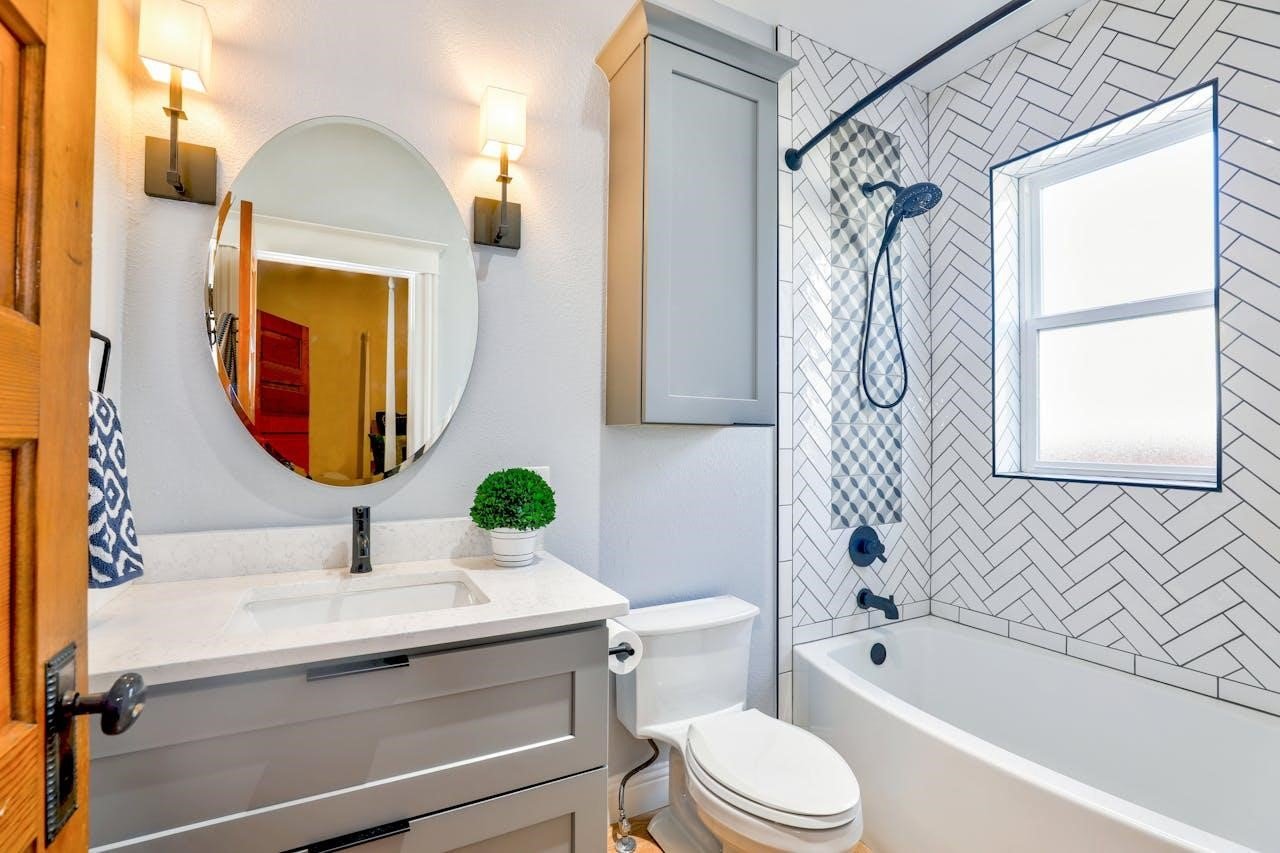
Some homes become difficult to explain. Nothing looks completely wrong and major damage may not be visible, although the rooms stop feeling easy to live in. The atmosphere changes slowly. A bathroom begins feeling cramped during rushed mornings. Storage starts overflowing into corners that were never meant to hold clutter. Those small here-we-go-again frustrations tend to build quietly until the entire home feels heavier than it should.
Most people do not immediately plan a major interior refresh after noticing one annoying cabinet or faded wall color. The thought usually grows gradually. Daily routines become less comfortable and certain rooms begin getting ignored whenever possible. Even familiar spaces can start feeling disconnected from the people living inside them.
A home is expected to support real life. Families change, schedules shift and priorities evolve. Interiors that worked perfectly years ago may no longer fit current needs. That does not mean the property has failed. It simply means the space may be asking for attention in a different way.
So when does a simple annoyance become a sign that larger changes should be considered?
When Everyday Routines Start Feeling Annoying
One of the clearest signs of an aging interior appears during ordinary moments. A bathroom mirror may provide poor lighting while getting ready for work. Kitchen storage may become frustrating because cabinets were designed for another generation of appliances. Small inconveniences repeat themselves again and again until the home starts feeling exhausting instead of relaxing.
Many people begin researching renovation ideas after realizing their spaces no longer support daily comfort properly. To make sure the entire process goes smoothly, homeowners should work with reliable companies such as Quality Craftsmen. People want practical remodeling solutions rather than cosmetic changes alone. An outdated bathroom, for example, may still function technically although worn surfaces and inefficient layouts can make the room feel neglected.
In some homes, awkward room arrangements create constant movement problems. Furniture blocks walkways, storage becomes difficult to access and lighting leaves certain corners feeling closed off. Those details affect how the property feels every single day.
Have certain spaces in the house quietly become less enjoyable to use? That question matters because avoidance is often an early warning sign. A guest bathroom may stay unused because it feels uncomfortable. A laundry area may create stress because storage was never designed properly.
For example, a family living in an older suburban home may struggle with limited bathroom counter space while modern routines require far more storage than the original layout provided. In another situation, dark flooring and outdated fixtures may make perfectly functional rooms feel smaller than they actually are.
When routine tasks begin creating frustration, the interior is usually asking for more than surface-level updates.
Clutter Starts Taking Control Of The Space
Clutter is not always caused by poor organization. In many cases, the layout itself creates the problem. Older interiors were often built around different lifestyles and storage expectations. Modern homes are expected to handle remote work equipment, larger wardrobes and additional bathroom products all within the same square footage.
When storage limitations become constant, the home starts feeling crowded even if the rooms are reasonably sized. Countertops fill quickly. Closets become difficult to manage. Decorative furniture gets replaced by practical storage bins simply because there is nowhere else to put everyday items.
Several signs usually point toward a home that needs functional improvements:
- Bathroom storage constantly spills onto counters
- Kitchen cabinets become difficult to organize properly
- Hallways feel blocked by extra furniture
- Lighting leaves work areas dim and uncomfortable
- Outlets are poorly placed for modern devices
- Shared family spaces feel overcrowded during normal routines
These problems may seem minor individually although they slowly affect comfort throughout the house. Repetition matters. Repetition always matters when daily frustration becomes involved.
Would a larger closet solve everything? Probably not. Many homes require smarter layouts rather than simply more space. Interior refresh projects often improve functionality by rethinking how rooms are being used instead of only replacing finishes.
A cleaner-looking home usually begins with a better-functioning home. When layouts improve, organization becomes easier naturally.
Small Repairs Keep Showing Up Again
Repeated repairs are another strong sign that a deeper refresh may be necessary. Cosmetic fixes can only hide aging materials for so long. Cracked flooring, peeling paint and outdated plumbing fixtures often point toward larger issues developing beneath the surface.
Bathrooms and kitchens usually reveal these concerns first because they experience heavy daily use. Moisture damage, poor ventilation and inefficient plumbing systems gradually affect comfort throughout the home. In some renovation projects, homeowners also begin updating older fixtures because concerns related to safe drinking water encourage improvements to aging pipes and water systems.
Energy efficiency may also become part of the conversation. Older windows, outdated lighting and poor airflow can make interiors uncomfortable while increasing utility costs. Those problems are often tolerated for years before meaningful upgrades are finally considered.
For example, recurring bathroom mold may continue appearing despite repeated cleaning because ventilation systems were never properly updated. In another case, older kitchen cabinetry may require constant repairs after years of moisture exposure and daily wear.
Quick fixes may temporarily improve appearance although they rarely solve long-term functionality problems. A major interior refresh allows hidden concerns to be addressed before they become more disruptive.
When foundational systems improve alongside appearance, the home begins functioning differently in the best possible way.
Comfort Should Not Feel Like Hard Work
A well-designed home rarely demands constant effort from the people living inside it. Rooms should support routines naturally. Storage should feel manageable and movement through the space should feel comfortable rather than frustrating.
Major interior refresh projects are often delayed because homeowners assume the process must involve dramatic changes. In reality, many successful renovations focus on solving everyday discomforts that slowly wear people down over time. Better layouts, improved lighting and updated materials can completely reshape how a home feels without removing its character.
The clearest signs usually appear quietly. Certain rooms stop being enjoyable. Clutter becomes harder to control. Repairs repeat themselves constantly. Those patterns matter because homes are meant to adapt alongside changing lives.
A refreshed interior is not simply about appearance. It is about creating a space that feels supportive again. When the home begins working with daily life instead of against it, the difference is noticed immediately.