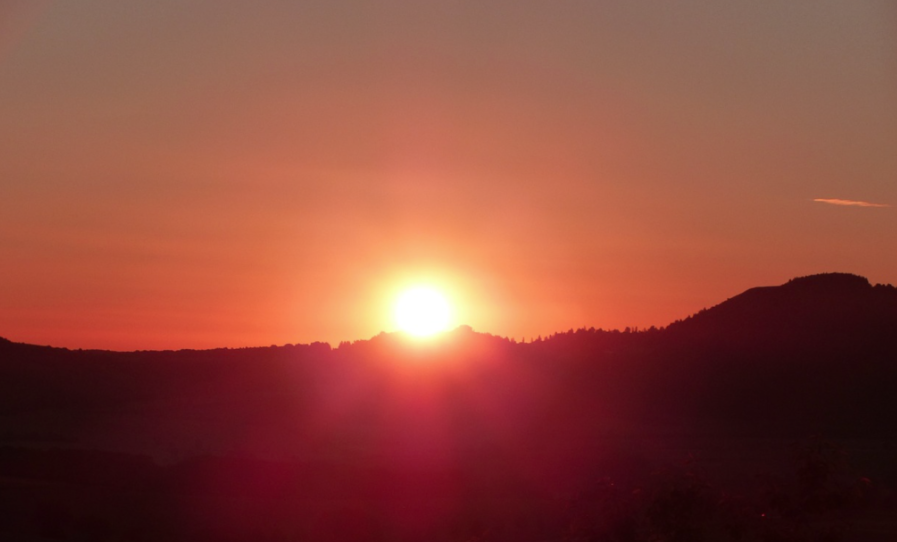
Summer begins exacly at 4:24 a.m. – EDT on Sunday, June 21.
This exact moment, known as the Summer Solstice, marks the astronomical start to the season when the Earth’s axis is most tilted toward the sun.
For many Indigenous nations, the Summer Solstice is more than an astronomical event. It is a sacred time to honor the Creator, give thanks for the earth’s abundance, and reaffirm connections to the land, water, and all living beings.
Communities will celebrate the day with sunrise ceremonies, prayer offerings, traditional songs, dances, and communal meals. In many regions, Tribal citizens gathered before dawn to greet the rising sun with prayers for healing, strength, and balance.
In the Southwest, Native runners participated in a prayer run through the Greater Chaco region of New Mexico. Organizers said the event was intended to unite Diné and Pueblo communities in prayer while drawing attention to efforts to protect sacred lands from future oil and gas development.
Across Canada, where June 21 is recognized as National Indigenous Peoples Day, First Nations, Inuit, and Métis communities hosted powwows, cultural demonstrations, music performances, and educational events celebrating Indigenous cultures and histories.
Museums and cultural centers throughout the United States also marked the occasion with family-friendly activities, Native arts demonstrations, storytelling, and social dances. The First Americans Museum in Oklahoma City hosted its annual Summer Solstice celebration featuring Native artists, food vendors, and cultural presentations.
While specific traditions vary among Tribal Nations, the Summer Solstice remains a powerful reminder of Indigenous peoples’ enduring relationship with the natural world and the seasonal cycles that have guided Native communities since time immemorial.
For many Native people, the day is both a celebration and a time of reflection, gratitude, and prayer for future generations.