The 2026 FIFA World Cup will bring a different kind of football experience to cities across North America. Millions of fans will travel, gather in public spaces, and look for ways to enjoy the tournament beyond the stadium gates. That is why fan zones matter so much. They give supporters a place to watch matches, celebrate wins, meet other fans, and feel connected to the event, even if they never enter the stadium itself.
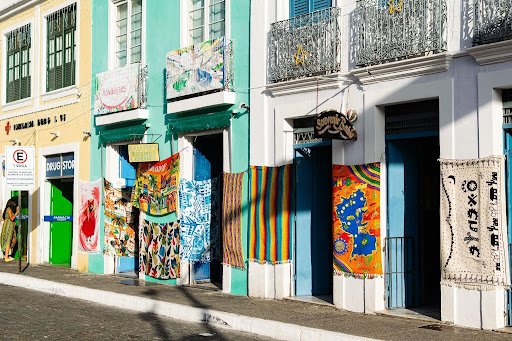
A great fan zone should feel full of life from the moment people walk in. Giant screens and food stalls help, though they are not enough on their own. Fans remember places that have personality, color, and a strong sense of atmosphere. Street art can play a huge role in building that atmosphere. Murals, painted walkways, interactive art walls, and live painting sessions can turn an ordinary public space into a football destination.
When cities start planning fan zones for a tournament as large as the 2026 World Cup, design choices matter. Street art is not just decoration for the edges of the event. It can shape how people move through the space, how they interact with one another, and how they remember the city after the tournament ends.
Getting the Fan Zone Mood Right From Day One
Before a single wall is painted, fan zone planners need to decide what kind of feeling the space should create. Some zones may want a festival look with loud colors and big energy. Others may want to highlight local culture, neighborhood pride, or the history of football in that city. Street art works best when it supports a clear direction rather than being added as a last-minute visual extra.
This early planning stage is where many fan zones can gain an advantage. If artists are brought into the process from the start, the artwork can be tied to entrances, viewing areas, sponsor activations, and rest zones in a much more natural way. Instead of looking like separate decorations, the art becomes part of the fan journey.
Street art can also help connect global football culture with local identity. A host city has a chance to welcome the world while still showing visitors what makes that place unique. Murals and installations can reflect local landmarks, music, neighborhoods, and community stories alongside football imagery. Contributions from local artists, students, and even a UTTC graduate can add authentic community perspectives that make these public artworks more meaningful and memorable.
Idea No. 1: Use Large Murals as the Heart of the Space
Large murals can give a fan zone an instant identity. A plain wall can become a giant visual landmark that fans notice from a distance and remember long after the tournament is over. These murals can feature football legends, city pride, fan culture, or a mix of all three. They can also be designed to reflect the energy of the World Cup without making the space feel too commercial or generic.
A mural works well because it does more than fill space. It becomes a meeting point, a photo background, and a way to tell a story about the host city. In a fan zone, that matters because visitors are looking for places that feel exciting and worth sharing. A strong mural can turn one corner of the site into a focal point that draws people in.
This is where working with experienced public art teams can make a difference. Organizations such as Graffiti Arts can help fan zone planners create murals that fit the space, handle heavy public attention, and still feel rooted in real community art rather than temporary event branding.
Pro Tip: Place the biggest mural where fans naturally slow down, such as near an entrance plaza, central screen area, or food court edge.
Idea No. 2: Use Painted Walkways to Guide Fans Through the Zone
Street art should not stop at the walls. Painted ground graphics can make a fan zone feel more immersive and easier to navigate at the same time. Instead of relying only on signs and barriers, organizers can use painted pathways, directional arrows, football patterns, and color-coded sections to move people around the space in a way that feels fun rather than strict.
This is useful in large fan zones where thousands of people may be walking between screens, food vendors, restrooms, and activity areas. Ground art can lead visitors toward key attractions while keeping the space visually exciting. It can also help divide the zone into smaller areas, such as family sections, sponsor spaces, and live entertainment corners.
Painted walkways add a sense of motion to the fan zone. Even simple designs can make the whole site feel planned and alive. In photos and overhead video, these details often make the space look much more dynamic.
Pro Tip: Use durable paint and choose designs that still look clear when the area gets crowded.
Idea No. 3: Add Live Painting for a Real-Time Festival Feel
One of the best ways to make a fan zone feel active is to let fans see art being created during the tournament itself. Live painting turns street art into an event rather than a finished object. People can stop, watch the mural grow, talk about the design, and come back later to see what changed.
This approach works well during a long tournament because it gives the space something fresh each day. Artists can respond to match results, crowd energy, and city moments as the event unfolds. A live mural created over several days can become part of the World Cup story in that location.
Live art also helps local artists feel visible in a major international event. Instead of only using finished branded materials, host cities can give creative workers a public role in shaping the fan experience. That makes the zone feel more connected to the place around it.
Pro Tip: Set up live painting in an area with room for people to gather without blocking the main crowd flow.
Idea No. 4: Build Interactive Art That Fans Can Step Into
Fan zones should give people more to do than watch the screen and wait for kickoff. Interactive street art can help with that. A painted tunnel, a 3D illusion mural, a wall where fans add messages, or a goal-themed installation can make visitors feel part of the environment rather than just spectators standing in it.
This kind of art works well because it creates small moments of participation. Fans want to pose for photos, leave their mark, and find memorable details that make the trip feel personal. Interactive pieces also encourage people to explore the full fan zone instead of staying in one crowded area the whole time.
When planners design these spaces, they should think about different age groups and different crowd moods. Families may enjoy playful, easy-to-understand art pieces, while older fans may respond more to murals that reflect football history or the host city’s culture. A mix of both can make the fan zone feel more complete.
Pro Tip: Keep interactive art close enough to foot traffic to stay visible, though not so close that it creates traffic jams.
Idea No. 5: Use Street Art to Reflect the Host City, Not Just the Tournament
The World Cup may be the reason people gather, though the host city is still part of the story. A fan zone should not look like it could be dropped into any city without change. Street art gives organizers a chance to show local character through color, symbols, landmarks, and neighborhood influences.
This matters for visitors who want more than a match-day crowd. Many fans travel to experience the city itself, and fan zones can help introduce that personality. Murals that include local history, local football culture, or community references can make the space feel more authentic. That local flavor often leaves a stronger impression than generic event branding.
Street art can also support long-term value. Some murals or installations may stay in place after the tournament, turning a short-term fan zone project into a lasting public art investment. That gives the event a footprint that remains visible once the crowds are gone.
Pro Tip: Ask artists to include elements that speak to both football fans and residents. That makes the artwork useful beyond the tournament window.
Turning Your Fan Zone Into a Destination
Creating fan zones with street art for the 2026 FIFA World Cup is about much more than making a space look colorful. It is about shaping how fans feel when they arrive, how they move through the area, and what they remember when they leave. A strong fan zone should feel welcoming, exciting, and tied to the city hosting it. Street art helps create that feeling in a way that screens and signage alone cannot.
Large murals can give the space a visual anchor. Painted walkways can guide crowds while adding energy. Live painting can make the zone feel active every day of the tournament. Interactive pieces can turn visitors into participants, and local design elements can keep the space from feeling generic. When these ideas are planned well, a fan zone becomes more than a place to watch football. It becomes part of the World Cup experience itself.
For a tournament as large and international as the 2026 FIFA World Cup, cities will have a rare chance to welcome the world in public spaces that feel bold and memorable. Street art can help make those spaces stand out, connect fans to local culture, and leave behind something meaningful after the final match is played.
FAQ
Q1: What is the purpose of creating fan zones for the 2026 FIFA World Cup?
Answer: Fan zones provide a vibrant space for fans to gather, watch matches, celebrate, and connect with other supporters, even if they don’t enter the stadium. They enhance the overall tournament experience beyond the stadium gates.
Q2: How can street art enhance the atmosphere of a fan zone?
Answer: Street art adds personality, color, and energy to fan zones. Graffiti Arts specializes in creating murals, painted walkways, and interactive installations that transform ordinary spaces into memorable fan experiences, encouraging engagement and excitement throughout the event.
Q3: What are some effective design ideas for fan zones?
Answer: Effective design ideas include using large murals as focal points, painted walkways for navigation, live painting sessions for engagement, interactive art for participation, and incorporating local culture into the artwork.
Q4: Why is it important to involve artists in the planning of fan zones?
Answer: Involving artists early in the planning process ensures that the artwork is seamlessly integrated into the fan experience, enhancing the overall atmosphere and creating a space that feels authentic and connected to the host city.
Q5: How can fan zones reflect local culture during the World Cup?
Answer: Fan zones can reflect local culture through street art that incorporates local landmarks, history, and community stories, making the space feel unique and authentic to the host city while still celebrating the global nature of the tournament.