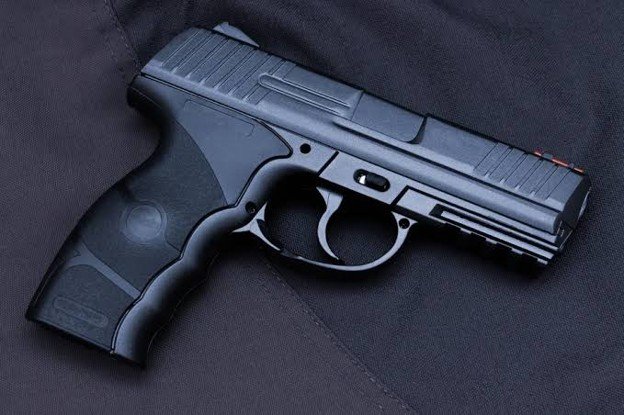
A firearm should only fire when the trigger is intentionally pulled by the shooter. Some guns, however, have been known to fire without any trigger pull at all. This type of failure is often called an unintentional or fully uncommanded discharge event. Manufacturing defects and design flaws are two of the most common causes behind it. Understanding exactly how and why these failures happen can help owners protect themselves legally. A firearm can fire on its own for a few surprising reasons. Here is what causes it.
How Firearm Defects Cause Misfires
Firearms contain a long chain of small parts that must move in perfect order. A single misplaced part or worn spring can trigger an unexpected and dangerous discharge. Every mechanical failure deserves a deep investigation. Wheeles & Garmon Defective Firearms Attorneys does not treat that lightly. Some defects can trace back to loose internal components that shift out of place. Others stem from flawed engineering that never should have passed factory inspection at all. Victims exploring unintentional discharge legal options can often benefit from a careful case review.
Signs Of A Defective Firearm
A firearm that fires without a trigger pull is showing a clear warning sign. Unexpected clicking or resistance in the trigger can also signal a real problem. A firearm that fires simply when dropped is never functioning the way it should. Unusual recoil patterns or repeated jamming can often point toward a hidden internal defect. A recall notice from the manufacturer is always worth taking very seriously right away. Owners who notice these signs should stop using the firearm until it is inspected.
What To Do After A Discharge
Anyone involved in an unexpected discharge should always check for injuries right away first. Seeking medical care quickly matters even when an injury seems fairly minor at first. The firearm itself should be left exactly as it was found after the incident. Photographs of the scene and the firearm can strongly support a later legal review. Witnesses should be asked to write down what they saw as soon as possible. Keeping the ammunition and any original packaging can also help during a later investigation.
Common Firearm Defect Types
Design defects happen when a flaw exists in the original blueprint of the gun. Manufacturing defects occur when a specific unit clearly strays from its intended specifications entirely. Trigger mechanism defects can allow a gun to fire without the trigger being pulled. Safety defects involve a failure of features specifically meant to prevent accidental discharges entirely. Warning defects happen when a company fails to properly disclose known risks to owners. Knowing exactly which category applies can help clarify who may be legally responsible later.
Understanding Your Legal Rights
Victims of defective firearms often have solid grounds to pursue a product liability claim. Manufacturers can be held fully liable when a design or production flaw causes harm. Retailers and distributors may also share some responsibility depending on the specific circumstances involved. An attorney can help identify every party that may bear responsibility for an injury. Filing deadlines can vary by state, so acting sooner usually helps. Moving quickly also helps preserve evidence and protect a victim’s rights under the law.
A gun should never fire on its own, no matter how carefully it’s handled. When it does, something is usually wrong beneath the surface. That deserves real attention, not a quick dismissal. No one should have to accept a firearm that fails without any reason. Getting answers starts with taking an honest look at what happened. The next step is simple. Ask the right questions and demand honest answers.