
Listen to this article
Estimated 2 minutes
The audio version of this article is generated by AI-based technology. Mispronunciations can occur. We are working with our partners to continually review and improve the results.
Canada’s annual inflation rate was unchanged at 2.2 per cent in November, but grocery inflation reached its highest rate in nearly two years, Statistics Canada said on Monday.
Food inflation, which has largely outpaced the overall rate since August 2024, rose 4.7 per cent on a yearly basis last month compared to 3.4 per cent in October.
That marked the largest increase to grocery price growth since December 2023.
Fresh fruit — especially pricier berries — drove the increase, as did “other food preparations” (a category that mostly includes processed foods).
Coffee increased 27.8 per cent on a yearly basis in November, an ongoing trend as coffee-growing countries face adverse weather conditions and U.S. tariffs.
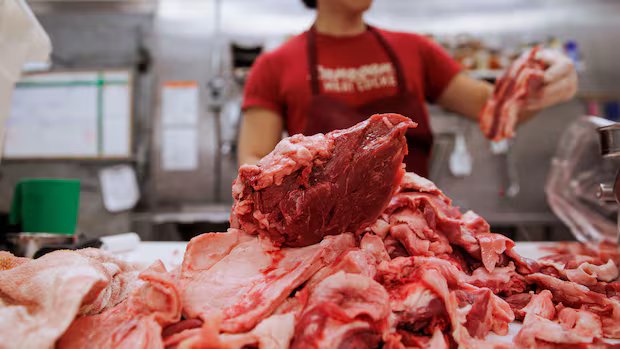
Meanwhile, fresh and frozen beef (up 17.7 per cent last month) continued to weigh on inflation, with prices driven up partly because cattle inventories are shrinking across North America.
Beyond the grocery store, prices for services grew at a slower rate in November, as the cost of travel tours and accommodations fell.
Rent prices also grew at a slower pace, up 4.7 per cent on a yearly basis in November compared to October’s 5.2 per cent.
However, lower inflation for services was partly offset by higher prices for cellular services, which increased 12.7 per cent in November compared to 7.7 per cent in October.
The decline was partly due to fewer promotions on offer in November 2025 compared to the same time a year earlier.