
Listen to this article
Estimated 2 minutes
The audio version of this article is generated by AI-based technology. Mispronunciations can occur. We are working with our partners to continually review and improve the results.
Earlier this week, rights organization Hengaw reported that 26-year-old Essam Soltani, arrested in connection with protests in the city of Karaj, was due to be executed on Wednesday.
However, on Thursday Iranian state media said that while Soltani was being charged with “colluding against the country’s internal security and propaganda activities against the regime,” the death penalty does not apply to such charges if they are confirmed by a court.
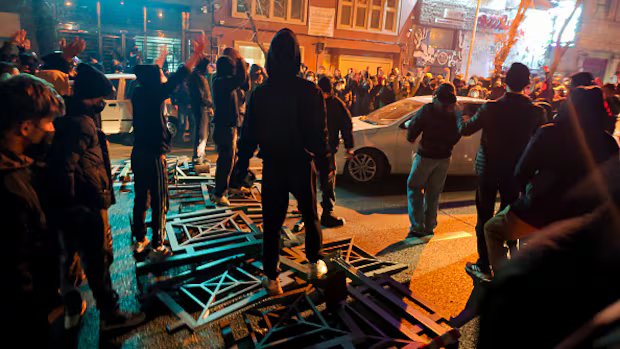
Iran and its Western foes have both described the unrest as the most violent since the 1979 Islamic Revolution that installed Iran’s system of Shia clerical rule.
Iranian authorities said the demonstrations turned from legitimate protest at economic grievances into unrest fomented by its foreign enemies, accusing people it described as terrorists of attacking the security forces and public property.
In a fragmented Iranian opposition, Crown Prince Reza Pahlavi has emerged as a prominent voice during the unrest. The U.S.-based Pahlavi, 65, has lived outside Iran since before his father, the last Shah of Iran, was toppled.
“He seems very nice, but I don’t know how he’d play within his own country,” U.S. Preseident Donald Trump told Reuters. “And we really aren’t up to that point yet.
“I don’t know whether or not his country would accept his leadership, and certainly if they would, that would be fine with me.”

The Trump administration is weighing military intervention in Iran as the regime continues its bloody crackdown on protesters across the country. Andrew Chang explains why some experts believe the U.S. may try to exploit a window of opportunity to strike an already vulnerable Iran.
Images provided by The Canadian Press, Reuters and Getty Images