Happy Monday!
Here are some of the articles you may have missed this past weekend:
Bipartisan NAHASDA Modernization Act Introduced to Address Housing Crisis in Indian Country
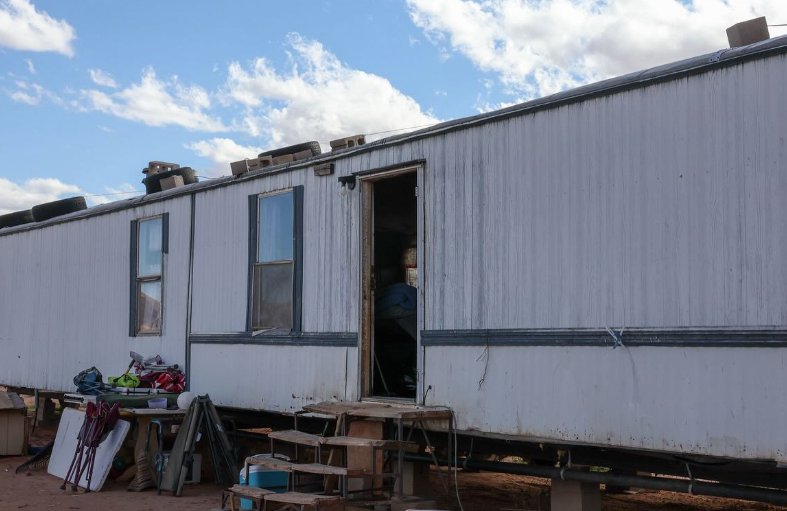
A bipartisan group of lawmakers in both chambers of Congress has introduced the Native American Housing Assistance and Self-Determination Modernization Act of 2026, a sweeping effort to reauthorize and strengthen the primary federal housing law serving Tribal Nations, Alaska Native communities, and Native Hawaiians.
In the Senate, the legislation is led by Sen. Lisa Murkowski (R-AK), chair of the Senate Committee on Indian Affairs, and Sen. Brian Schatz (D-HI), the committee’s vice chair. In the House, companion legislation was introduced by Rep. Troy Downing (R-MT) and Rep. Janelle Bynum (D-OR), reflecting broad bipartisan support.
The bill would reauthorize the Native American Housing Assistance and Self-Determination Act (NAHASDA) through 2033, marking a long-awaited update to a law that expired in 2013. For nearly three decades, NAHASDA has served as the cornerstone of federal housing policy in Indian Country, providing block grants that allow Tribes to design housing programs tailored to their communities.
Sam McCracken Launches New Initiative to Support Indigenous Youth Wellness
This past week, at the National Center for American Indian Enterprise Development RES Conference, longtime Native leader and former Nike executive Sam McCracken announced the launch of a new nonprofit aimed at addressing the urgent mental, physical, and cultural health needs of Indigenous youth.
The newly formed Sam McCracken Youth Project (SMCYP) is a Native-led organization designed to expand access to culturally grounded wellness programming for Native youth across Indian Country. The initiative arrives at a time when Native communities continue to face disproportionate mental health challenges, including suicide, which remains one of the leading causes of death among Indigenous youth in North America.
Last week we asked Native News Online readers whether they support the Iran War. The results show 89 percent are opposed to the war.