Happy Monday and Welcome to Daylight Savings Time!
Daylight Savings Time went into effect on Sunday at 2 a.m., which we will see more daylight in the evenings.
Here are some of the stories you may have missed this past weekend:
Daylight Saving Time Returns Sunday: Clocks ‘Spring Forward’ at 2 A.M.Picayune Rancheria of the Chukchansi Indians Condemns Use of Composted Human Remains Along San Joaquin River
Most of the United States will move clocks ahead one hour, but two states stand apart. Arizona does not observe daylight saving time — except on the Navajo Nation, where the change is followed because the reservation spans multiple states. Hawaii is the only other state that remains on standard time year-round.
Thanks to modern technology, many devices — including computers, smartphones, and tablets — will automatically adjust at 2:00 a.m. Still, plenty of household clocks, appliances, and watches will need a manual reset.
While the twice-yearly time shift frustrates many Americans, the change means the country spends roughly 7½ months on daylight saving time and about 4½ months on standard time, bringing longer daylight hours to evenings through much of the year.
A California tribe is speaking out after reports surfaced that soil created from composted human remains was spread on land along the San Joaquin River—an action tribal leaders say is deeply disrespectful to Native cultures and ancestral lands.
The Tribal Council of the Picayune Rancheria of the Chukchansi Indians issued a public statement on Thursday condemning the activity and calling for an immediate halt to the practice. The tribe said the land in question lies within the ancestral homeland of the Yokuts people and holds deep cultural and spiritual significance for Native communities in the region.
The controversy centers on the San Joaquin River Parkway and Conservation Trust, which manages a 76-acre property known as Sumner Peck Ranch in Fresno County. According to local officials, the nonprofit had been accepting soil produced through a process known as “natural organic reduction,” commonly referred to as human composting.
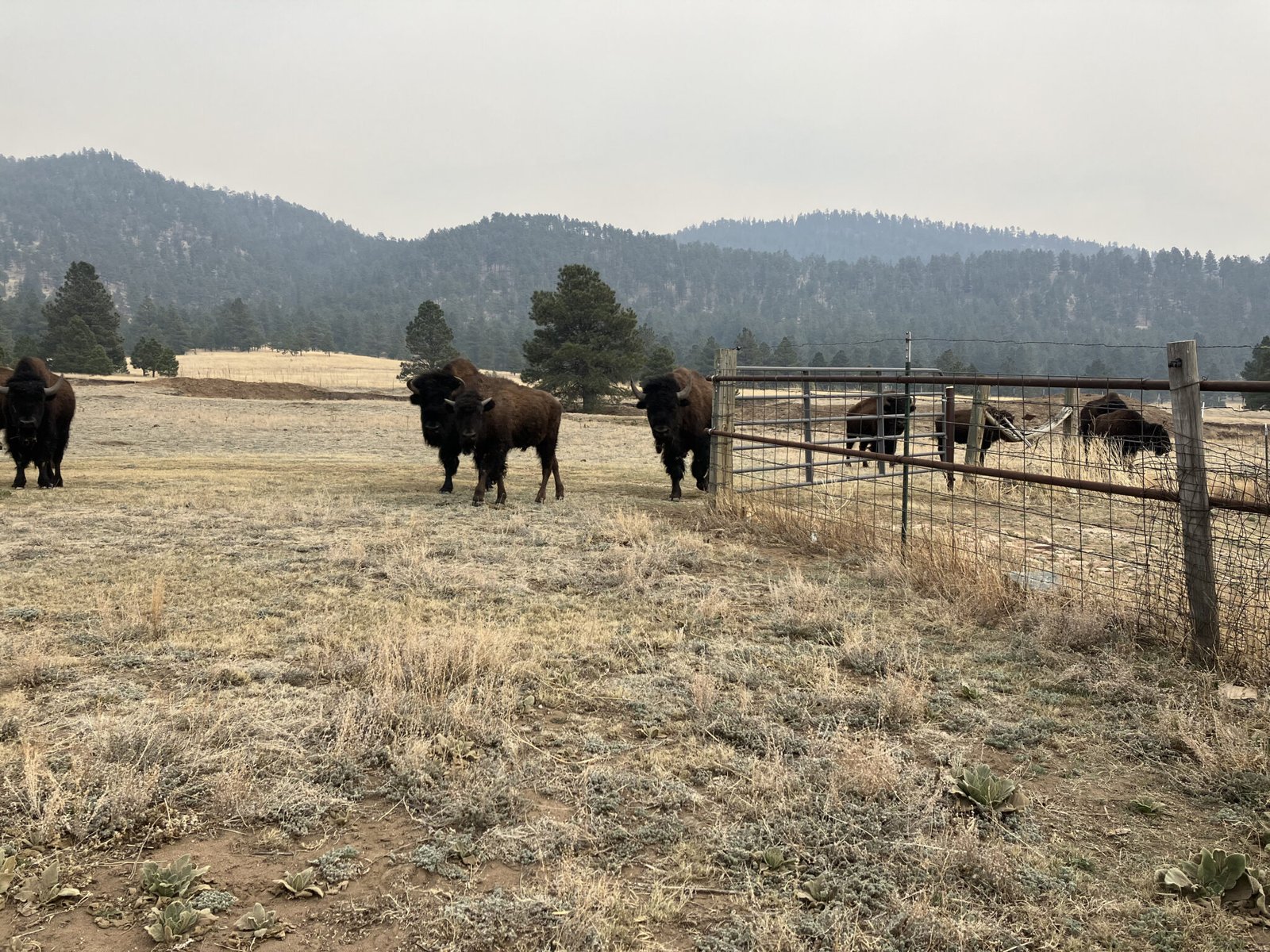
Buffalo Return: New Herd Report Shows More Than 25,000 Buffalo On Tribal Lands
More than 20 tribal nations welcomed more than 1,500 buffalo back to their lands last year as part of a growing national effort to restore the animals to Indigenous stewardship, according to the InterTribal Buffalo Council.
ITBC coordinated the transfers with support from The Nature Conservancy, the National Park Service, U.S. Fish and Wildlife Service, Denver Mountain Parks, the Minnesota Department of Natural Resources and The Wilds in Ohio. The work expanded a tribally managed herd network that now includes more than 25,000 buffalo across 22 states.
“Buffalo remain central to the spiritual, cultural, ecological, and economic life of Native communities,” ITBC Board President Ervin Carlson said. “The restoration of buffalo is not only a natural resource effort but a profound act of cultural healing and tribal sovereignty.”