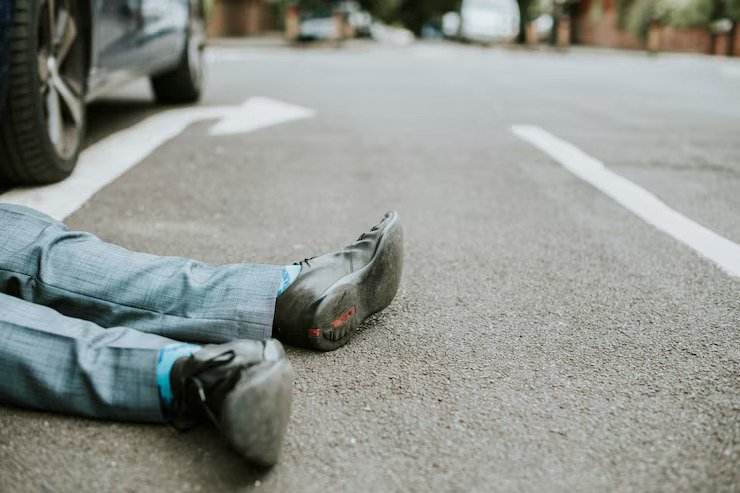
Gathering solid evidence after a pedestrian accident can have a major impact on any claim. The moments following a collision are critical for preserving information that insurers and courts rely on. Following practical evidence-gathering tips right away after a pedestrian accident gives injured people the best chance of a full recovery. Photos, witness names, and written notes will always hold up better than memory alone. Attorneys who focus on pedestrian injury cases know what evidence matters most and how to act. Salamati Law Personal Injury Attorney focuses exclusively on cases like these and serves injured pedestrians throughout Los Angeles.
Photos and Scene Documentation
Taking photographs at the scene is one of the most immediate steps an injured pedestrian can take. Capture images of the vehicle, debris, skid marks, traffic signals, and crosswalk markings from multiple angles. Photographs of visible injuries taken shortly after the accident help establish the extent of harm. If your injuries prevent you from shooting photos, ask a bystander to do it for you. Surveillance footage from nearby businesses or traffic cameras can be deleted within days of an accident. Acting quickly to preserve that footage is essential to protecting a claim.
Medical Records and Treatment History
Seeking medical attention immediately creates a record linking your injuries directly to the accident. Emergency room reports, imaging results, physician notes, and treatment plans are all important forms of documentation. Gaps in treatment are frequently used by insurance adjusters to argue that injuries are less serious than claimed. Following your prescribed plan and attending every appointment strengthens the overall record of your case. If your recovery involves surgery or rehabilitation, those records show how the accident has changed your daily life. Keeping copies of every bill and referral adds further detail to the financial picture of your losses.
Eyewitness Information
Witnesses who saw the accident can provide accounts that independently support your version of events. Their statements are especially valuable when the driver disputes fault or when no officer was present. Collect the full name and phone number of anyone who stopped to observe or assist at the scene. Ask witnesses to describe what they saw before prompting them, so their account remains independent. Recollections fade quickly, so gathering contact information at the scene is more reliable than tracking people down later. A single credible witness can shift the outcome of a disputed liability case.
The Police Report
Calling 911 immediately after a pedestrian accident is one of the most important steps a victim can take. The responding officer will document the scene, collect statements, and note any traffic violations observed. This report serves as an official record of how the accident occurred and is used during insurance negotiations. Request a copy as soon as it becomes available and review it carefully for errors. If you notice inaccuracies, an attorney can help you challenge or supplement the record with other evidence. Never leave the scene without confirming that a report has been filed.
Clothing, Footwear, and Physical Evidence
The clothing and shoes you were wearing at the time of the accident may carry physical evidence that supports your claim. Scuff marks, tears, blood, and other damage can help demonstrate the force of impact and the nature of your injuries. Do not wash or discard these items before your attorney has reviewed them. Store them in clean paper bags rather than plastic, which can trap moisture and damage the material. Physical evidence of this kind is often overlooked but can be persuasive in establishing what happened. Keeping it intact preserves an option that cannot be recovered once it is gone.
The evidence gathered after a pedestrian accident can make or break a claim. Every piece of evidence collected after the accident brings an injured person one step closer to proving their case. Insurance companies look for weaknesses in documentation, and any gaps can reduce the value of a claim. Starting the evidence collection process early gives attorneys the best material to work with. Before talking to any insurance company, injured people should first get an attorney on their side. The right preparation from the start can make a lasting difference in the final outcome.