
Native Vote 2026
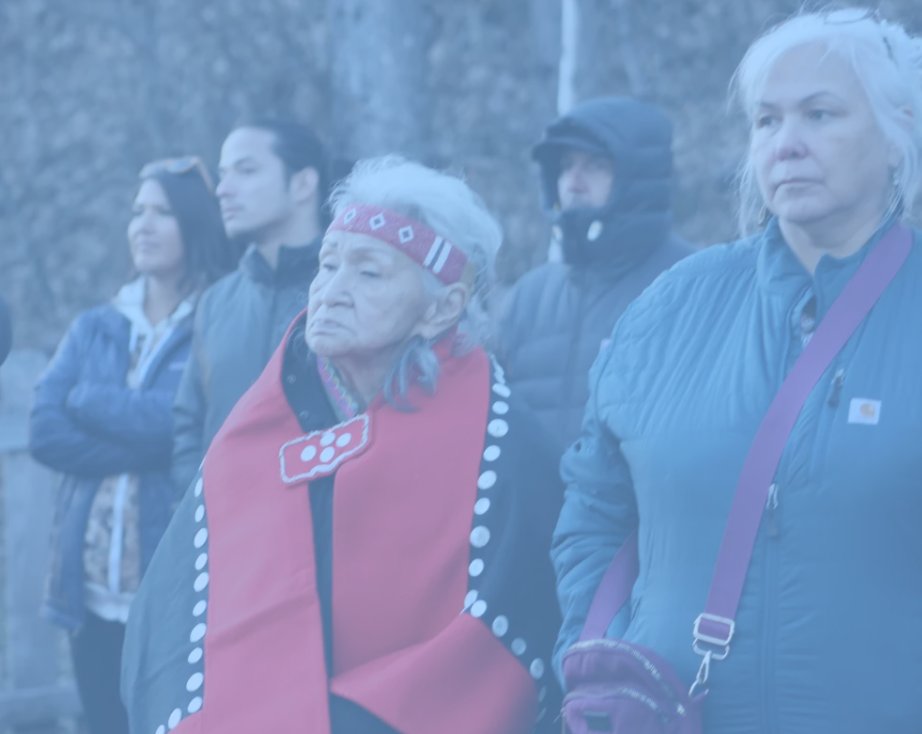
Election Day for the 2026 Midterm General Election is now four days away. With advocates across the country encouraging Native people to vote, remembering the history of the Alaska Native vote is vital to achieving high voter turnout.
Currently, Alaska Natives make up approximately 20 percent of Alaska’s general population.
In 2024, Trump won the state by 13 percentage points over Kamala Harris. This means the Alaska Native population is larger than the margin of victory in the 2024 Presidential Election, demonstrating that Alaska Natives have the potential to significantly influence elections.
But this is only possible if voter turnout is high.
Michelle Sparck, director of Get Out the Native Vote (GOTNV) and a member of the Qissunamiut Tribe of Chevak, says Alaska Natives are no strangers to turning out to vote in record numbers. In 1982, almost a dozen villages had a 97.5 percent voter turnout, Sparck told Native News Online. This high voter turnout is remarkable, especially in Alaska.
“We had that super voter generation in the ’80s because non-Alaska Native sport, hunting, and fishing groups objected to ANILCA’s (Alaska National Interest Lands Conservation Act) carve out for rural preference in managing subsistence resources in times of depletion,” Sparck told Native News Online. “They put in a ballot measure called Proposal Seven to get rid of rural preference from the subsistence law.”
To ensure Proposal Seven did not pass, Alaska Native voters turned out in record numbers to vote no and protect their traditional subsistence hunting, fishing, and gathering rights on federal public lands.
Today, Alaska Native voter turnout is significantly lower. In the 2024 general election, voter turnout in majority-Alaska Native legislative districts averaged below 40 percent, while statewide turnout was above 55 percent. This means Alaska Native-dominant districts had voter turnout approximately 15 percentage points lower than the statewide average.
However, there was a small improvement in voter turnout during this year’s August primary, with Alaska Native voter turnout only 7 percentage points lower than the statewide average. Statewide turnout was 27 percent, while turnout in Alaska Native-dominant districts averaged 20 percent. Sparck sees this as promising and believes restoring high voter turnout across rural villages is possible.
“As demoralizing as it’s been to document the precipitous drop in voter turnout since the ’90s and early 2000s, it’s still very inspiring to see what we’re capable of, and we hold that up as a model to the community,” Sparck said.
Those same super-voters from the 1980s are today’s voters’ grandparents and parents, but the high voter turnout was not passed down. Encouraging young voters is a large part of restoring high Alaska Native voter turnout.
“Those people who are today’s Elders were rock star voters for their generation, but by the time their kids aged in as part of the electorate, those elders were so successful using their political capital to build all that we enjoy today…We ended up mistaking their [Elders’] effectiveness as the government.”
When Alaska became a state in 1959, the Statehood Act did not recognize aboriginal title to Native lands, and more than 103 million acres of Alaska Native land were at risk of being lost. After tireless advocacy, the Alaska Native Claims Settlement Act of 1971 (ANCSA) was passed.
ANCSA returned 44 million acres to Alaska Natives and created a corporate structure instead of traditional reservations. The act organized the settlement through a for-profit corporate model, resulting in 12 for-profit regional corporations (plus a 13th for out-of-state Natives) and more than 200 local village and urban corporations.
Today, Alaska Natives own and operate their own schools, health care facilities and clinics, housing, government services, and more, helping ensure the strength of their communities. Sparck believes this is one of the reasons voter turnout has declined.
“If we’re not at the table, we’re on the menu. So, for people who feel like they don’t want to participate in the system that minimizes their voice and their identity and their priorities, you need to be a part of the electorate in order to make the change that you want to see,” Sparck said.
Voting in Alaska, especially rural Alaska, is not without challenges. At least 18 villages across remote districts had early in-person voting locations that failed to open, according to a letter sent Friday to the Division of Elections by state Sen. Bill Wielechowski, an Anchorage Democrat.
With remote polling places not opening, providing opportunities for community members to vote early is especially important in this election.
During the third week of October, both the 43rd Elders and Youth Conference and the Alaska Federation of Natives Convention were held in Anchorage. During this time, early voting was available. Throughout both events, advocates encouraged community members to walk across the street from the convention center to Anchorage City Hall, where early voting was available for all state precincts.
“I’m happy to see more generations and more voices out there doing their own unique footprint in civic messaging,” Sparck said. “To see a lot more people using their own voices and their own influence to cause that ripple effect in their own community and those six degrees of separation is exciting.”
The post Alaska Natives Have the Power to Influence This Midterm General Election appeared first on Native News Online.