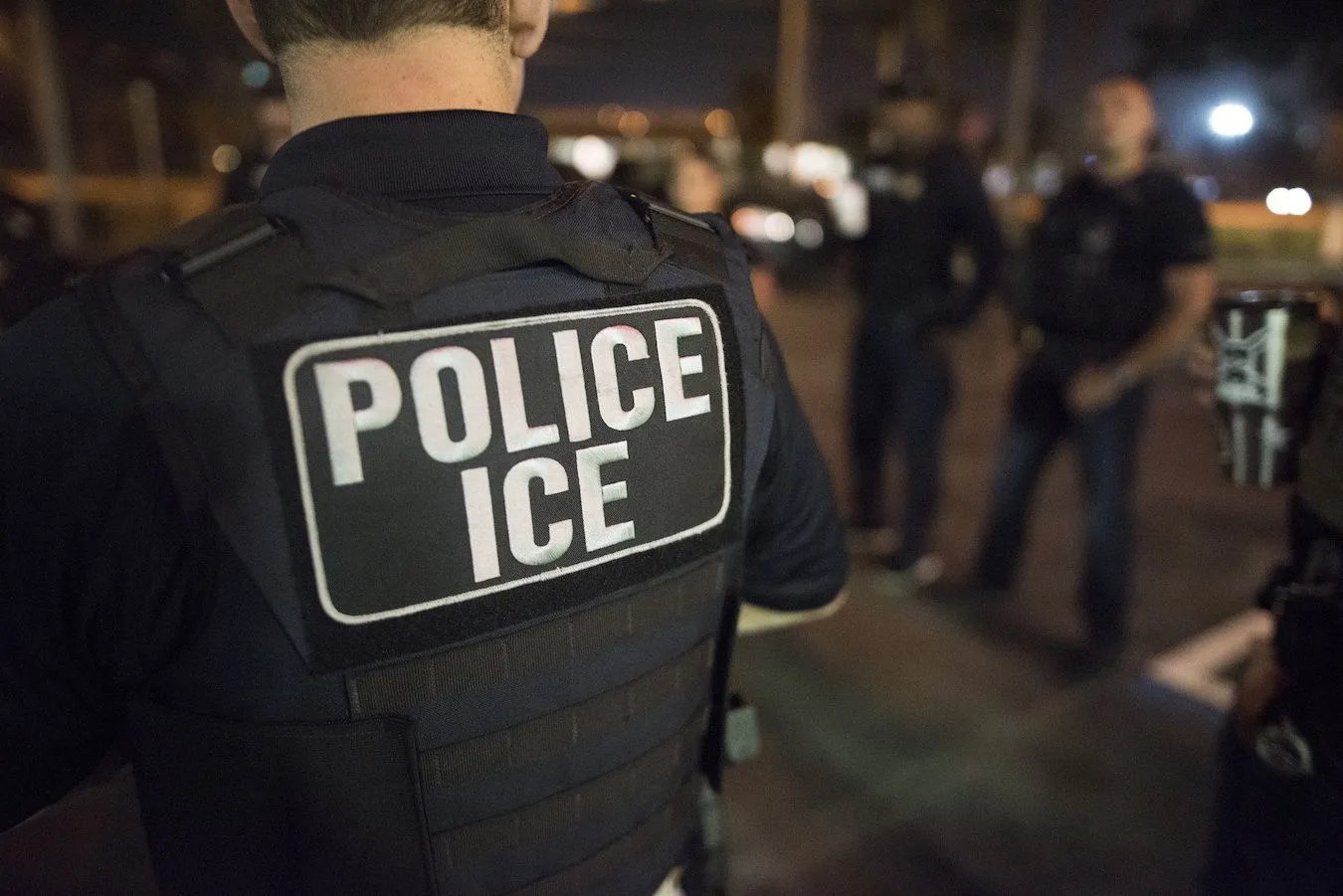
A bipartisan group of lawmakers has introduced new legislation designed to prevent Native Americans from being wrongfully questioned, delayed, or detained during federal immigration enforcement operations because officers fail to recognize tribal identification documents.
The Respect Tribal IDs Act was introduced by Represenatives Sharice Davids (D-KS), Don Bacon (R-NE), Teresa Leger Fernández (D-NM), and Senator Ben Ray Luján (D-NM). The legislation would require the Department of Homeland Security to improve training for immigration enforcement personnel on how to recognize tribal identification documents and interact appropriately with citizens of Tribal Nations.
The bill comes amid increasing reports that Native Americans have been stopped, questioned, or detained after federal officers failed to recognize valid tribal IDs as proof of U.S. citizenship.
“Tribal sovereignty is a legal and constitutional recognition of Tribal Nations and their citizens, and the federal government has a responsibility to respect that,” Davids said. “But lately, we’ve seen troubling reports of Native Americans being questioned or detained because federal officers lacked the training needed to recognize tribal documentation or understand Tribal Nation citizenship. This bipartisan bill is about preventing those failures, improving training and accountability, and making sure all people are treated with the dignity and respect they deserve.”
Under the legislation, DHS would work with the Bureau of Indian Affairs and Tribal Nations to create standardized training for officers and employees involved in immigration enforcement. The training would cover how to identify tribal documents, when tribal IDs qualify as proof of citizenship, proper protocols for interacting with enrolled tribal members, and the federal government’s trust responsibility to Tribal Nations.
The bill would also require DHS to develop region-specific reference materials featuring examples of tribal IDs used by federally recognized tribes in areas where federal agents operate. Officers would have to complete the training annually and whenever reassigned to a different region.
“The Respect Tribal IDs Act is a commonsense bill to ensure DHS personnel are properly trained to recognize Tribal IDs and work respectfully with Tribal communities,” Bacon said. “Federal agencies have a responsibility to protect and support Tribal citizens, and this legislation helps ensure they do that.”
Leger Fernández said the legislation responds to repeated incidents involving Native Americans being improperly questioned by immigration authorities.
“We’ve seen Trump’s Department of Homeland Security violate the rights of the first Americans countless times. Indigenous people in New Mexico and across the country have been unfairly questioned, harassed, and detained. This bill will require that DHS officers be trained to recognize Tribal IDs and prevent wrongful detentions,” she said. “All law enforcement officials must respect tribal governments and the documents they provide their citizens. ICE and CBP agents must follow the law and respect tribal sovereignty.”
Luján also pointed to reports involving tribal citizens being stopped because officers did not recognize tribal documentation.
“In New Mexico and across the country, our Tribal brothers and sisters deserve to be treated with dignity and respect,” Luján said. “Under the Trump Administration, we’ve seen disturbing incidents where Tribal members were stopped, questioned, and harassed by ICE officers simply because of their appearance or because officers failed to recognize their Tribal IDs. That is unacceptable and deeply wrong.”
The legislation has gained support from Native advocacy organizations, including the National Congress of American Indians (NCAI) and the Native American Rights Fund (NARF).
“The National Congress of American Indians supports this legislation to ensure that federal agents within the U.S. Department of Homeland Security are properly trained to recognize and respect Tribal identification documents,” Larry Wright (Ponca), executive director of NCAI said. “Too often, the lack of consistent training has led to confusion, delays, and the improper treatment of Tribal citizens.”
John E. Echohawk (Pawnee), executive director of the Native American Rights Fund, said tribal IDs are official documents issued by sovereign Tribal Nations and should be treated accordingly.
“We’ve seen federal immigration agents reject valid Tribal IDs and question the citizenship of Native people — something that should never happen,” Echohawk said. “The Respect Tribal IDs Act provides a common-sense, bipartisan fix by ensuring agents are properly trained to identify and accept these documents and understand the federal trust responsibility.”
Davids, a tribal citizen of the Ho-Chunk Nation of Wisconsin, is one of the first two Native American women elected to Congress and currently serves as co-chair of the Congressional Native American Caucus.