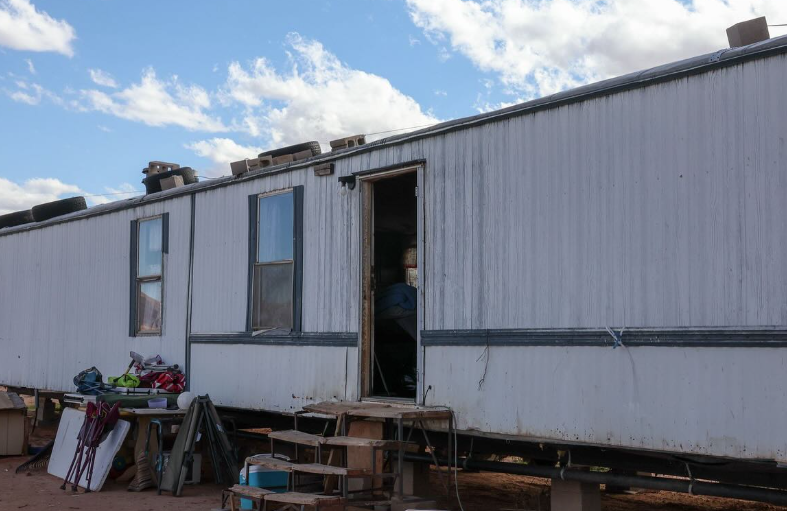
A bipartisan group of lawmakers in both chambers of Congress has introduced the Native American Housing Assistance and Self-Determination Modernization Act of 2026, a sweeping effort to reauthorize and strengthen the primary federal housing law serving Tribal Nations, Alaska Native communities, and Native Hawaiians.
In the Senate, the legislation is led by Sen. Lisa Murkowski (R-AK), chair of the Senate Committee on Indian Affairs, and Sen. Brian Schatz (D-HI), the committee’s vice chair. In the House, companion legislation was introduced by Rep. Troy Downing (R-MT) and Rep. Janelle Bynum (D-OR), reflecting broad bipartisan support.
The bill would reauthorize the Native American Housing Assistance and Self-Determination Act (NAHASDA) through 2033, marking a long-awaited update to a law that expired in 2013. For nearly three decades, NAHASDA has served as the cornerstone of federal housing policy in Indian Country, providing block grants that allow Tribes to design housing programs tailored to their communities.
Lawmakers say the modernization effort comes at a critical time, as Tribal communities across the country continue to face severe housing shortages, overcrowding, and rising construction costs.
“For more than a decade, I’ve worked on NAHASDA and heard directly from Native families about how the lack of safe, affordable housing affects every part of daily life,” Murkowski said. “We cannot leave Native communities behind.”
Schatz emphasized that the legislation reflects years of consultation with Tribal leaders and housing organizations. “Our bill reflects what Native communities asked for: better tools and flexibilities to make homeownership and stable housing a reality for more families,” he said.
The legislation includes a wide range of reforms aimed at improving housing access and Tribal self-determination. Among its key provisions are the reauthorization of the Indian Housing Block Grant and Native Hawaiian Housing Block Grant programs, streamlined federal requirements to accelerate development, and expanded eligibility for homeownership opportunities, including lease-to-own pathways.
The bill also strengthens support for Native veterans through the Tribal HUD-VASH program, increases access to private financing by improving federal loan guarantee programs, and expands Tribal eligibility for federal homelessness assistance programs.
Supporters say the measure is not only about housing, but also about sovereignty.
“The introduction of the NAHASDA Modernization Act represents a pivotal moment for Indian Country,” said Rudy Soto, executive director of the National American Indian Housing Council. “Modernizing NAHASDA is not just about updating a program; it is about strengthening sovereignty, self-determination, and building a housing future that reflects the needs of our communities.”
Mark Macarro, president of the National Congress of American Indians (NCAI), said Tribal Nations are unified in pushing for action. “The time to reauthorize and modernize NAHASDA is now,” Macarro said. “This legislation honors the federal trust responsibility while empowering Tribal Nations to govern themselves and build the homes their communities urgently need.”
In the House, Downing highlighted the importance of long-term certainty for Tribal housing programs. “Indian Country needs the stability of reauthorization to responsibly plan, finance, and maintain housing investments,” he said.
Bynum added that the legislation is designed to expand access to homeownership and provide long-term stability. “For too long, Tribal communities have not had the tools they need to build and maintain affordable housing,” she said.
The legislation has garnered support from a broad coalition of Native and housing organizations, including NAIHC, NCAI, and the Navajo Housing Authority, along with national housing and community development groups.
Originally enacted in 1996, NAHASDA consolidated multiple federal housing programs into a single block grant system, allowing Tribes greater flexibility in addressing local housing needs. However, despite its importance, the law has not been formally reauthorized in more than a decade.
As Congress again takes up the issue, Tribal leaders and advocates say the stakes are high.
With 2026 marking the 30th anniversary of NAHASDA’s passage, supporters argue the modernization effort represents a rare opportunity to deliver long-term, structural improvements to housing in Indian Country—while reaffirming the federal government’s trust responsibility to Tribal Nations.