WASHINGTON — U.S. Sen. Markwayne Mullin, a citizen of the Cherokee Nation, was nominated by President Donald Trump on March 5, 2026 to become the next secretary of the Department of Homeland Security (DHS).
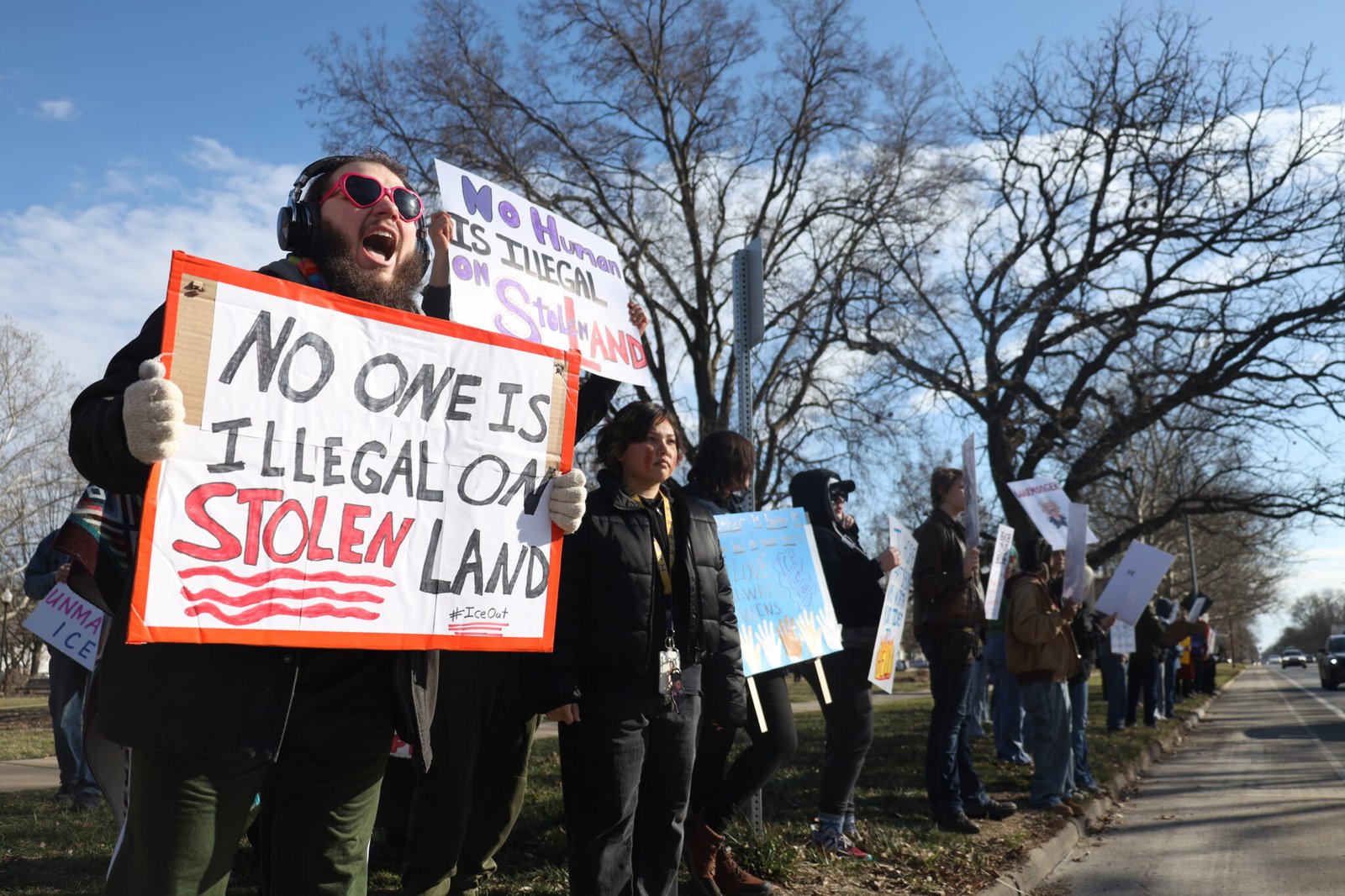
On Wednesday, the U.S. Senate Committee on Homeland Security and Governmental Affairs will hold a hearing on Mulln’s nomination. He faces a critical moment when he will be pressed with tough questions about the Trump administration’s dangerous and unlawful immigration enforcement policies, the dismantling of disaster response infrastructure, and more.
If confirmed, Mullin becomes the second Native American to serve in a presidential cabinet in a secretarial role.
The National Congress of American Indians (NCAI) said the nomination of Mullin to a cabinet-level position reflects the increasing presence of Native voices in national leadership.
“Representation matters, and the nomination of a Tribal citizen to such a prominent federal position is significant for Indian Country,” NCAI said in a statement.
Here are five questions Native News Online would like to have Sen. Mullin answer:
1. Civil Rights & Racial Profiling
How will you ensure that DHS and Immigration and Customs Enforcement (ICE} stop the documented racial profiling of Native Americans, including U.S. citizens being stopped, detained, and asked to prove citizenship based solely on appearance?
Reports show Native people are being “stopped, detained and harassed… because of their skin color or names.”
2. Treaty Obligations & Federal Trust Responsibility
Do you acknowledge that harassment of tribal citizens by federal agents violates the United States’ trust and treaty obligations—and if so, what enforcement mechanisms will you put in place to prevent it?
U.S. senators have already warned DHS that these actions reflect an “abdication” of those obligations
3. Tribal Sovereignty & Jurisdiction
Will you commit that DHS will not pressure tribes into immigration enforcement agreements in exchange for information or cooperation—and will you respect tribal jurisdiction on Native lands?
There are documented cases where information was withheld unless tribes cooperated with ICE.
4. Detention Centers Near or On Indigenous Lands
What is your position on the construction or operation of immigration detention facilities on or near Indigenous lands—especially sites considered sacred—and will you require full tribal consultation and consent?
Recent controversies show strong Native opposition to detention centers on ancestral lands, raising sovereignty and cultural violations.
5. Wrongful Detention of Native Citizens
What specific policies will you implement to prevent U.S. citizens—particularly enrolled tribal citizens—from being wrongfully detained, and how will DHS be held accountable when it happens?
There have been multiple cases of Native citizens detained despite clearly asserting citizenship.