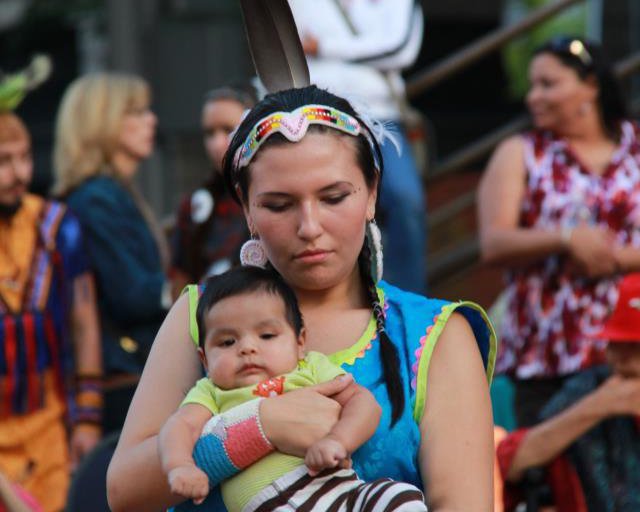
Sen. Lisa Murkowski (R-AK) and Sen. Catherine Cortez Masto (D-NV) have introduced bipartisan legislation aimed at strengthening Tribal child welfare systems and expanding support for Native families and children.
The Promoting Strong Native Families and Children Act would increase federal funding for Tribal child welfare programs, reduce administrative barriers, and provide Tribal governments with greater flexibility to deliver culturally grounded services designed to keep Native children connected to their families, communities, and traditions. Sen. Brian Schatz (D-HI) and Sen. Ben Ray Luján (D-NM) joined as original cosponsors.
“The Alaska Native communities in my state are rich with tradition, culture, and family. But the same communities often lack local services and support to help families who’ve fallen on hard times. Maybe a parent is struggling with addiction or doesn’t have the resources to feed their children. Without the right support, kids may be sent away from their community to another town for foster care, completely cut off from their way of life and relatives. That is a devastating scenario, but it happens more than you’d think,” Murkowski said.
“Tribal communities know best how to support their children and families. This bill will cut red tape and give Tribes more flexibility and greater opportunities to care for Native children within their own communities, allowing children to remain connected to their families and culture,” she added.
Cortez Masto said the legislation would help Tribal communities gain access to critical services often unavailable to Native populations.
“Nevada’s 28 Tribes, bands, and colonies work tirelessly to provide support to their most vulnerable members, including young children, single mothers, and seniors,” Cortez Masto said. “However, they unjustly lack access to key social services that other communities rely on. This commonsense, bipartisan bill will help level the playing field so that all Nevadans can get the services they need.”
Tribal and Native advocacy organizations quickly endorsed the legislation, describing it as a major step toward improving Native child welfare systems and advancing Tribal sovereignty.
“The National Congress of American Indians (NCAI) commends the introduction of the Promoting Strong Native Families and Children Act, legislation that is committed to strengthening Tribal families through culturally grounded, prevention-focused policies,” Larry Wright Jr., executive director of National Congress of American Indians, said.
“Strong Native families provide the foundation for strong Tribal Nations, and this legislation represents a critical step forward,” Wright said. “By prioritizing early intervention, family preservation, and Tribal-led prevention services, the bill codifies Native communities as best positioned to care for their children in ways that reflect their cultural values, traditions, and community priorities.”
Dr. Sarah Kastelic, executive director of National Indian Child Welfare Association, said the legislation addresses longstanding inequities in federal human services funding.
“The Promoting Strong Native Families and Children Act creates equitable access for Tribal Nations to federal programs that fund basic services to protect children, people with disabilities, domestic violence victims, and elders,” Kastelic said. “The legislation also increases support for Tribal courts that provide mediation and justice services, streamlines administrative requirements, and increases incentives for Tribal Nations and states to collaborate to support at-risk Tribal children and families.”
Alaska Federation of Natives President Ben Mallott said Native communities continue to face barriers in education, housing, mental health, and child welfare systems that affect future generations.
“The Promoting Strong Native Families and Children Act is a bold step in the right direction, not only by strengthening coordination and authority, but by putting real funding behind those commitments,” Mallott said. “AFN deeply appreciates Senator Murkowski’s dedication to Alaska Native communities and her continued leadership in fighting for a stronger future for our children and the next generation.”