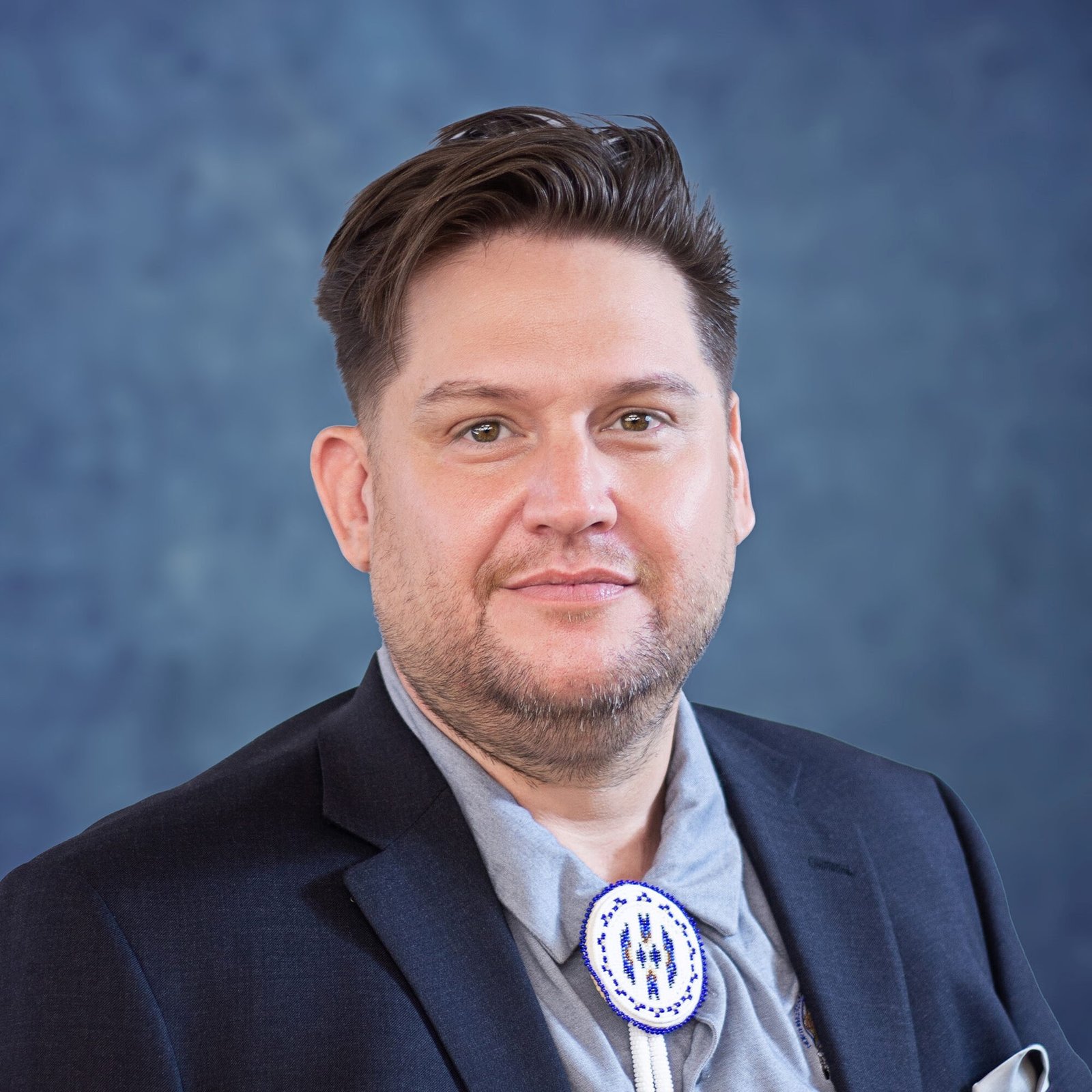
The High Desert Museum has named Brad Parry, vice chairman of the Northwestern Band of the Shoshone Nation, as the first recipient of the Schnitzer Prize of the West, awarding him $50,000 to support his leadership of the Wuda Ogwa Cultural and Land Restoration Project in Ogden, Utah. The newly established prize recognizes innovation and collaboration in addressing the American West’s most pressing challenges. Parry will be honored during a ceremony in Portland on May 16, 2026.
Parry was selected for his work restoring the site of the Bear River Massacre in Preston, Idaho, where more than 400 Northwestern Shoshone tribal members were killed in one of the deadliest acts of violence against Native Americans in U.S. history. Since the Tribe purchased the 350-acre site in 2018, the project has sought to transform the land into a place of ecological restoration and cultural healing, while raising awareness of a history long overlooked.
“How we view the restoration is a project not just of restoring the land, but restoring the spirit of forgiveness, and that starts with a small seed. We bring volunteers that come out to plant those seeds, and when they plant it, they bring new friends and family with them. Restoration brings brightness, hope, resilience, and remembrance, but most of all, it brings forgiveness of the past to continue forward in the future. And that’s what this project is,” says Rios Pacheco, Northwestern Shoshone spiritual leader.
Through partnerships with Tribal members, local farmers and ranchers, academic institutions, and state and local governments, Parry has developed a model for watershed restoration in the West. Despite limited resources and ongoing challenges, the project has removed invasive species, planted more than 70,000 native plants, restored wetlands, and returned a tributary of the Bear River to its historic flow. These efforts are helping water move more freely downstream, benefiting surrounding communities and contributing an estimated 10,000 acre-feet of water annually to the Great Salt Lake, which is facing severe ecological strain from prolonged drought.
Central to the effort is Parry’s vision for a Cultural Interpretive Center that will honor the history of the Northwestern Shoshone and serve as a testament to their resilience and path to federal recognition.
“Brad’s visionary leadership is critical to this project’s success. He’s deeply engaged with local biologists, ecologists, and engineers, as well as community groups like the Youth Coalition for Great Salt Lake. He understands that this work is intersectional, and he’s brought together a coalition of stakeholders to make this ambitious project possible,” says Katie Newburn, education director of FRIENDS of Great Salt Lake.
The Schnitzer Prize of the West was launched in partnership with Jordan D. Schnitzer and the Harold & Arlene Schnitzer CARE Foundation to highlight collaborative solutions to issues such as sovereignty, ecological restoration, and water security. Parry’s work, organizers say, offers a model for communities across the region and beyond.
“I am deeply honored and humbled to be the inaugural recipient of the Schnitzer Prize of the West, a recognition I proudly accept on behalf of the Wuda Ogwa project. This achievement embodies the resilience and unity of our Tribe, our people, and our community, building upon the legacy of those who came before us. At its heart, this work is driven by a steadfast commitment to caring for our land, revitalizing our connection to history and culture, and building bridges with other communities—an essential responsibility we must uphold for our future generations,” said Schnitzer Prize of the West 2026 Winner Brad Parry.
“The Schnitzer Prize of the West celebrates remarkable individuals working together collaboratively to compromise and forge policies that benefit us all, and not just for us and our children, but generations to come,” said Jordan D. Schnitzer, president of Schnitzer Properties and the Harold & Arlene Schnitzer CARE Foundation.
Parry was selected by a panel of 13 advisors representing expertise in tribal leadership, agriculture, water policy, and academic research focused on the American West. The committee reviewed nearly 100 nominations from across 12 states.
Four finalists were also recognized: Amy Bowers Cordalis of Talent, Oregon; Kelley Delpit of Bend, Oregon; Julie Rentner of Chico, California; and Laura Van Riper of Bend, Oregon. Each will receive a $2,500 award at the Portland ceremony.
Administered by the High Desert Museum, the Schnitzer Prize of the West will begin accepting nominations for the 2027 award in May 2026, with submissions due by December 31, 2026.