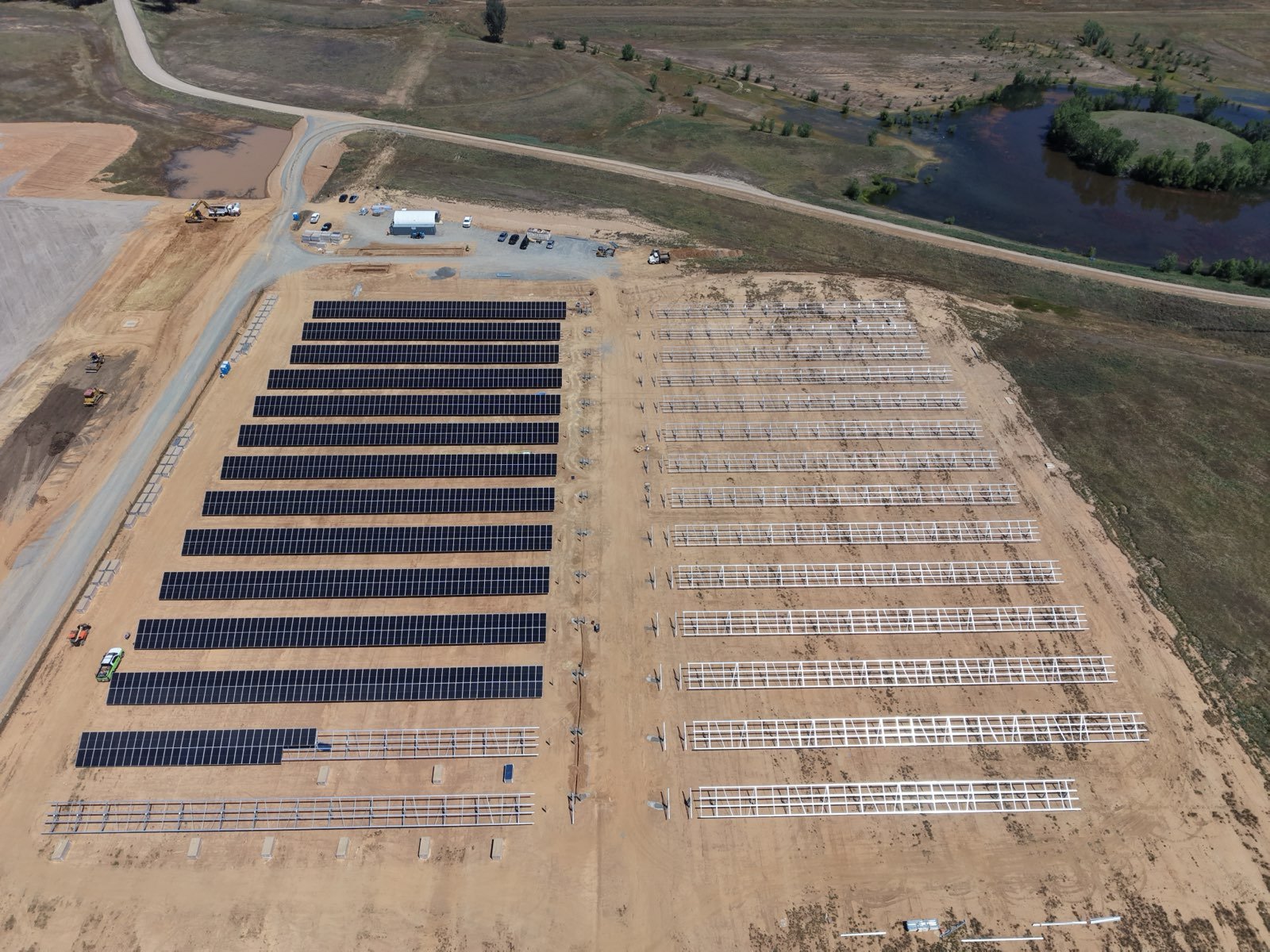
The Paskenta Band of Nomlaki Indians has partnered with Open Access Technology International (OATI) to strengthen energy independence and resilience through a major solar and battery-powered microgrid project in Northern California.
The project, which broke ground in 2024, combines 4.5 megawatts of solar generation with 21 megawatt-hours of battery energy storage across two microgrid sites. Once completed, it will provide renewable power, reduce peak energy costs, and allow the Tribe to maintain electricity during utility outages and periods of elevated wildfire risk in Tehama County.
Backed by state and federal grants, including funding through the Federal Emergency Management Agency’s Building Resilient Infrastructure and Communities (BRIC) program, the project is designed as a model for improving energy resilience and self-reliance in Tribal communities.
Working with Tribal energy developer Woven Energy, OATI will integrate its GridMind® microgrid controller to automate how power is generated, stored, and distributed. The technology will also allow the two microgrid sites to operate together or independently, supporting the Tribe’s long-term goal of establishing a Tribal-owned utility.
“Energy is the foundation that everything else in our region depends on; homes, businesses, healthcare systems, emergency services, and the natural systems we have a responsibility to protect,” said Tribal CEO Damon Safranek. “This microgrid is about making sure the Tribe and our neighbors have reliable power during the moments that matter most, whether that’s a wildfire, a heat wave, or a peak demand event on the grid.”
Safranek said the project reflects the Tribe’s commitment to environmental stewardship and community well-being while advancing energy independence.
“Building a Tribal utility from the ground up, integrating solar, storage, and advanced grid controls across two sites, is genuinely complex work,” he said. “That’s why working alongside OATI and Woven Energy has mattered so much. They bring decades of proven experience in critical energy infrastructure for rural communities, and that experience is what makes our ambition for this project a reality.”
OATI said its GridMind® platform is designed to help communities maximize the value of distributed energy resources by supporting grid services, market participation, and resilience planning.
“We’ve worked with multiple Tribal communities to build self-sustaining energy systems, and we’re proud to continue our work with the Paskenta Band of Nomlaki Indians and Woven Energy, especially in an area where energy independence can provide life-saving reliability,” said Sasan Mokhtari, OATI’s president and CEO. “We look forward to increasing adoption of Tribal-led microgrids to establish localized energy hubs and provide them with the tools to secure financial self-sufficiency.”