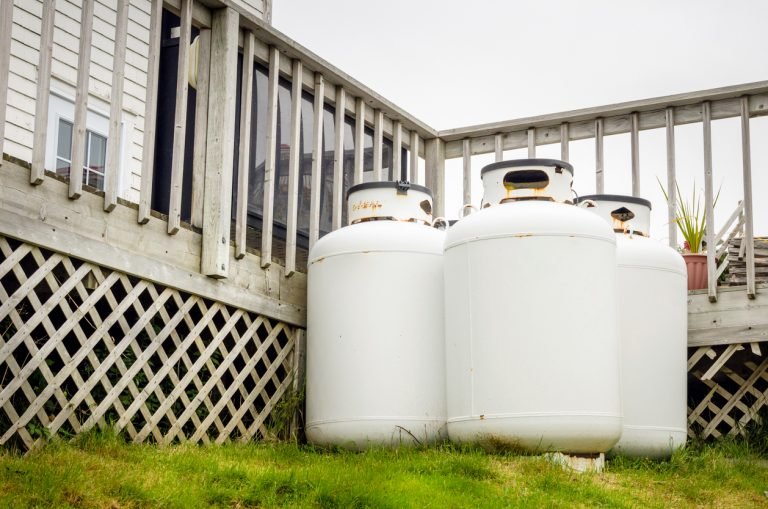
Propane is everywhere in Texas, powering home heating systems, backyard grills, and so much more. But when something goes wrong with propane, the results can be absolutely devastating. Burns, breathing problems, and serious property damage are some of the most common outcomes. In the worst cases, an explosion takes a life and leaves a family dealing with grief and serious financial strain all at once. Figuring out who is legally responsible is rarely a simple answer. It really comes down to how and why the explosion happened. If you or someone you love has been hurt, understanding who can be held accountable is the first real step toward getting the compensation you deserve.
Texas law allows injured victims to go after anyone in the chain of events that led to an explosion. That applies as long as negligence or a defective product played a role in what happened. Crow, Arnold, & Majors, LLP Injury Lawyers brings a level of investigative focus to these cases that most general practice firms simply cannot match. They know how to bring in engineering experts and protect physical evidence before it disappears for good. Firms that regularly handle these cases understand that blame rarely falls on just one party. A thorough investigation is what separates a strong claim from one that falls apart. If you or someone in your family was hurt in a propane incident, do not wait. Reaching out to propane explosion injury attorneys who truly understand these cases could make all the difference for you. Evidence at the scene degrades quickly, and the window for gathering it is often shorter than victims expect. The earlier you act, the more evidence your legal team can actually work with.
How Texas Courts Approach Propane Explosion Liability
In Texas, propane explosion cases typically fall under two legal theories, and understanding both is helpful. The first is negligence, which applies when someone fails to do their job responsibly. A good example is a distributor who skipped required safety inspections before sending a tank out to stores. The second is product liability, which applies when a defective product causes harm, even if no one was careless. In many cases, both theories apply at the same time, which can actually increase the number of parties who owe you damages. Courts trace the full journey of the propane and the equipment involved, from the moment it was manufactured all the way to the moment it hurt you. That process is what helps determine exactly who should be named as defendants in your case.
Tank Manufacturers and Component Suppliers
When the propane tank itself is defective, the manufacturer can be held liable under Texas law. Defects can show up in the tank body, the valve, the face seal, or really any part that affects how safely propane is delivered. If a supplier provided a faulty component to the tank manufacturer, they can share in that responsibility as well. Just because a tank looked fine or worked without problems in the past does not let the manufacturer off the hook. If a defect is later found, they can still be held accountable for what happened. Expert inspections are usually needed to confirm whether a defect existed and whether it actually caused the explosion. That is exactly why you should never move, clean, or throw away the tank or any connected equipment after an incident.
Distributors and Refilling Companies
Propane tank distributors have a legal responsibility to inspect every single tank before filling it and sending it out for sale. If a distributor puts a defective tank into circulation, that failure can be the foundation of a serious negligence claim. This applies to companies that refill tanks at exchange stations, service depots, and delivery facilities as well. Texas courts have recognized that the party closest to a defect in the supply chain often bears the greatest share of the blame. When a distributor processes hundreds of tanks a day and cuts corners on inspections, they create a very real risk to everyday people. And when someone gets seriously hurt because of that risk, the legal consequences for that distributor can be significant. You trusted that the tank you bought was safe, and they had a duty to make sure it was.
Retailers and Property Owners
Retailers who sell or exchange propane tanks also carry real responsibilities under Texas law. A grocery store, gas station, or hardware store that sells a defective tank can absolutely be named in a product liability claim. Property owners can also be held responsible for propane explosions that occur on their property. This is especially true when they were responsible for storing or maintaining the equipment. Landlords who provide propane appliances or storage as part of a rental have an obligation to keep everything in safe working condition. If a tenant or visitor is injured because that obligation is ignored, the property owner could face a premises liability claim on top of everything else. The broader and more thorough the investigation, the easier it becomes to figure out exactly who shares the blame and how much each party owes.
Propane explosion cases in Texas can involve a lot of different parties, and figuring out who is responsible takes a careful and thorough investigation. That process needs to start as soon as possible after the incident. Manufacturers, component suppliers, distributors, retailers, and property owners can all potentially share the blame. The law gives you a pathway to pursue compensation from every single party whose negligence or defective product played a role in what happened to you. Propane explosion injuries can be life-altering, and the costs add up fast between medical bills, lost wages, and long-term care. The good news is that Texas law does not limit you to pursuing only one defendant. An experienced attorney can make sure no responsible party slips through the cracks. If you or someone you love has been hurt, please do not wait. Talking to a qualified attorney is the most important step you can take right now to protect yourself and your future.