For many investors, business owners, and internationally minded families, having more global freedom is no longer just a luxury. It can mean easier travel, better education options, stronger financial planning, and a safer backup plan for the future. Two of the most popular routes are Caribbean citizenship by investment and European residency by investment. Both can open important doors, but they work in very different ways. Understanding these differences can help you choose the path that fits your goals best.
What Is Caribbean Citizenship by Investment?
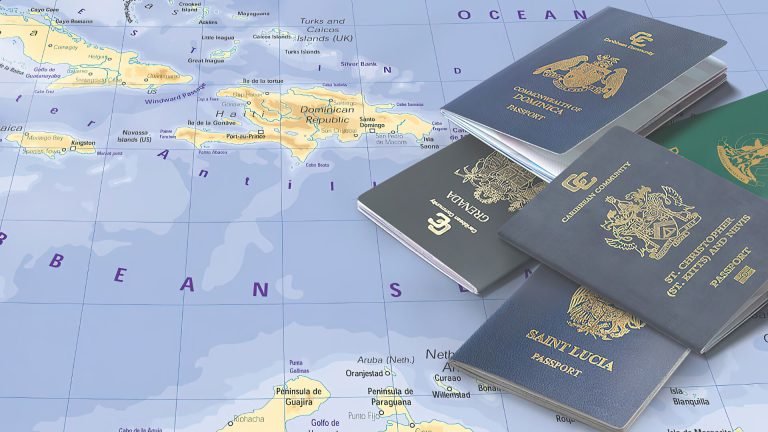
Caribbean citizenship by investment allows eligible applicants to become citizens of a Caribbean country by making a qualifying investment. This is usually done through a government fund contribution, real estate investment, or another approved route. Countries such as St. Kitts and Nevis, Antigua and Barbuda, Grenada, Dominica, and Saint Lucia are well known for these programs.
The main appeal is speed and simplicity. In many cases, applicants do not need to live in the country before or after receiving citizenship. Once approved, they receive a second passport, which can support easier international travel and provide long-term security for the whole family.
What Is European Residency by Investment?
European residency by investment is different because it usually gives you the right to live in a European country, but not immediate citizenship. Investors may receive a residence permit by purchasing real estate, investing in funds, starting a business, or meeting other financial requirements.
Popular European options often attract people who want access to lifestyle benefits such as education, healthcare, business opportunities, and the possibility of living in Europe. Some residency programs may also lead to permanent residency or citizenship later, but this usually takes several years and may require language skills, physical presence, and integration into the country.
Caribbean Citizenship vs European Residency: The Main Difference
The key difference between Caribbean Citizenship vs European Residency is legal status. Caribbean programs can give you citizenship and a passport directly. European residency programs usually give you permission to live in a country, but you remain a citizen of your original country unless you later qualify for naturalisation.
This matters because citizenship is typically more permanent. Residency may need to be renewed and can depend on maintaining certain conditions. A passport gives broader national rights, while a residence permit mainly gives you the right to stay, live, or sometimes work in a specific country.
Travel Freedom and Global Mobility
If your main goal is easier international travel, Caribbean citizenship may be very attractive. A Caribbean passport can provide visa-free or visa-on-arrival access to many destinations, depending on the country. This can be helpful for business people, frequent travellers, and families who want a practical second passport.
European residency, on the other hand, can offer strong access within Europe, especially the Schengen Area if the country is part of it. This is useful for people who want to spend time in Europe regularly, visit different European countries, or build a lifestyle there. However, a residence permit is not the same as an EU passport.
Cost, Timeline, and Requirements
Caribbean citizenship programs are often chosen because they can be faster and more straightforward. Processing times are generally shorter than European routes, and physical residence requirements are often minimal or not required. The costs can also be more predictable, especially when applying through a donation route.
European residency can involve more paperwork, longer timelines, and ongoing obligations. Some programs require applicants to maintain investments, renew permits, visit the country, or eventually meet language and residence conditions if they want citizenship. However, the long-term lifestyle benefits may be worth it for applicants who genuinely want to live in Europe.
Lifestyle, Family, and Future Planning
Your family goals should also guide your choice. Caribbean citizenship can be a strong backup plan, giving your family another nationality and more flexibility. It may be ideal if you do not want to relocate but still want extra security and travel freedom.
European residency is often better for families who want to move, study, work, or retire in Europe. Access to schools, universities, healthcare systems, and a high standard of living can make European residency especially attractive for long-term planning.
Which Option Is Right for You?
The right choice depends on what you want most. Choose Caribbean citizenship if your priority is a second passport, faster processing, easier travel, and minimal relocation requirements. Choose European residency if your goal is to live in Europe, build a future there, or eventually work toward long-term settlement or citizenship.
In simple terms, Caribbean citizenship is often about mobility and security, while European residency is often about lifestyle and future opportunities. Before making a decision, compare the costs, requirements, timelines, and long-term benefits carefully. The best program is not always the most popular one; it is the one that matches your personal, financial, and family goals.